How to Stop Stair Treads from Sliding on Wood Stairs
About This Project
This project outlines how to prevent stair treads from sliding on wooden stairs, ensuring safety and stability.
Tools & Materials
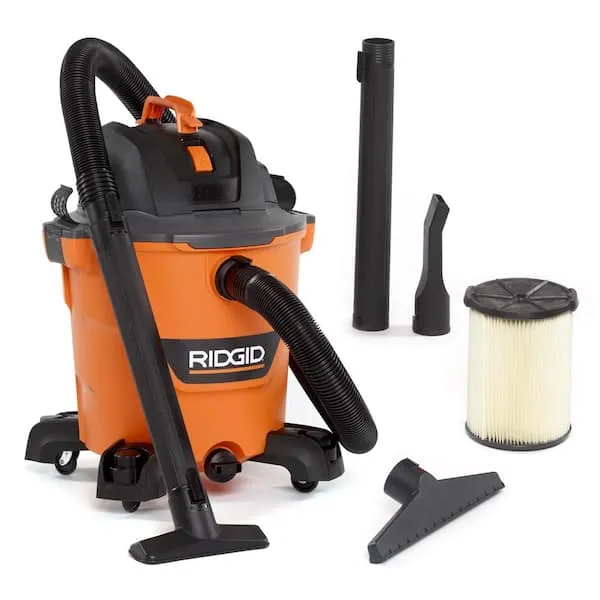
Shop Vacuum
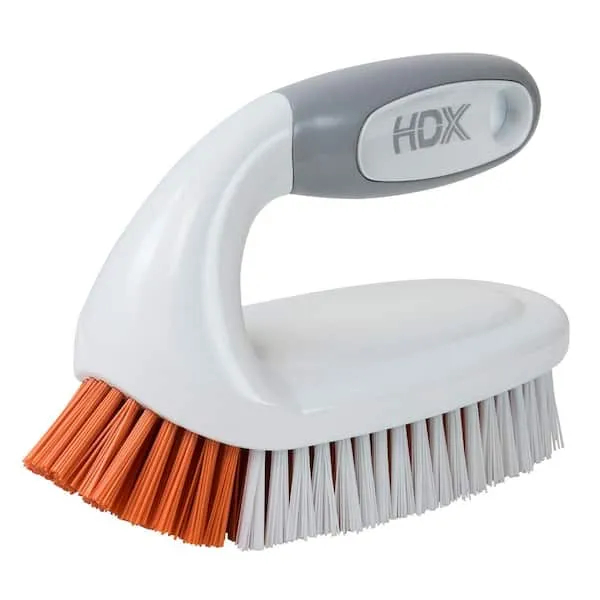
Scrub Brush
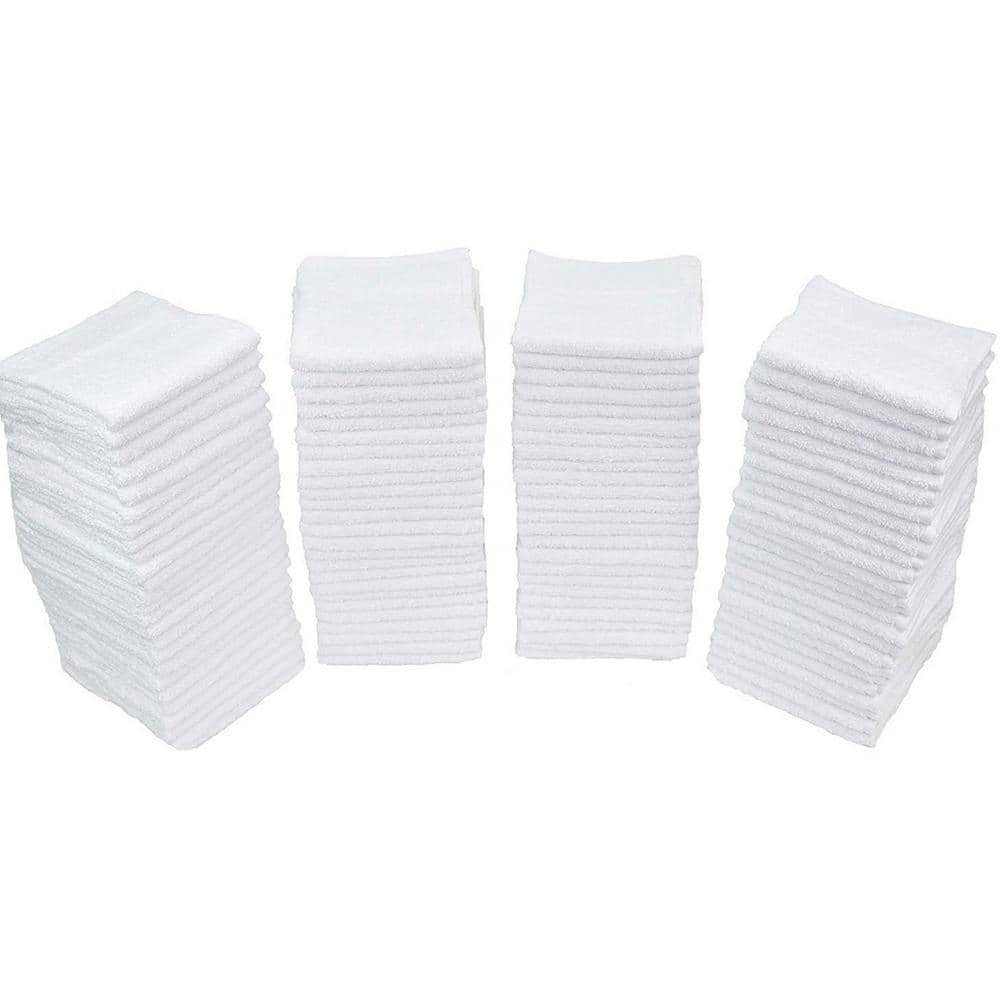
THE CLEAN STORE Cleaning Terry Towels (50-Pack) 171

Safety Glasses
Measuring Tape
Pencil
Shop Vacuum
Cleans workshop mess efficiently.
Scrub Brush
Tackles tough stains with stiff bristles.
THE CLEAN STORE Cleaning Terry Towels (50-Pack) 171
Bulk Pack with 50 Towels is Ideal for Commercial Businesses, Home, Restaurants, Offices and More, Towels are Size: 12 in. x 12 in. Offers an Ideal Solution for Restaurants, Hotels, Bars, Home, Offices,
Safety Glasses
Keeps eyes safe from potential hazards.
Measuring Tape
For accurate measurements of plywood and components, ensuring proper assembly.
Pencil
Marks and draws with ease.
Steps

Clean the Stair Treads
30 minutesBefore applying any securing method, ensure the top surface of each stair tread is completely clean. This involves sweeping or vacuuming to remove loose debris, followed by a more thorough cleaning to eliminate any grease, wax, or old finish residues. A good degreaser or a clean cloth with a mild solvent might be necessary for stubborn grime. Allow the treads to dry completely before proceeding.
Watch: Prepare Stairs and Treads
Install Anti-Slip Treads
45 minutesCarefully measure and mark the placement for the anti-slip treads on each stair. Typically, these are applied to the front edge of the tread, leaving a small margin from the riser. Peel back the protective liner from the adhesive side of one tread, and carefully align it with your markings. Press down firmly, working from the center outwards to ensure good adhesion and eliminate any air bubbles. Repeat for all treads.
Watch: Apply Anti-Slip Strip
Secure Treads with Screws (Optional)
60 minutesThis step is optional but recommended for maximum stability. After the anti-slip treads are in place (or if you are only using this method), position the stair tread. Locate the ideal screw points, ensuring they do not interfere with the anti-slip material if used. Predrill pilot holes through the tread and into the underlying stringer or support. Use appropriate screws (e.g., wood screws) to firmly attach the tread. Be careful not to overtighten, which could strip the wood or crack the tread.
Watch: Secure Stair Treads with ScrewsFrequently Asked Questions
What type of anti-slip tread material is best for wooden stairs?
The best material depends on your preference for aesthetics and durability. Options include rubber, carpet, or clear adhesive strips. Rubber offers excellent grip and durability, while carpet provides warmth and sound dampening. Ensure the material is rated for stair use and has strong adhesive properties for long-lasting results.
Is it always necessary to use screws to secure stair treads, or are anti-slip strips sufficient?
Using screws is optional but provides the most secure and permanent solution, especially for heavily used stairs or if the treads are very loose. For minor sliding, good quality anti-slip strips applied correctly can be sufficient. If you opt for screws, ensure they are appropriate for your tread thickness and the underlying stair structure.
What are the most common mistakes beginners make when installing anti-slip solutions on stairs?
A common mistake is not thoroughly cleaning the stairs first, which prevents adhesive from bonding properly. Another is improperly measuring or cutting anti-slip materials, leading to an untidy finish or ineffective coverage. Ensure the stairs are completely dry and free of debris before applying any adhesive product.
What safety precautions should I take while working on this project?
Always work on one step at a time to maintain a safe path up and down the stairs. Ensure the work area is well-lit and free of tripping hazards. If using a drill, wear safety glasses, and be mindful of your footing, especially when working on steps that have been cleaned but not yet secured.
What if my wooden stair treads are slightly uneven or damaged; will this project still be effective?
For best results, stair treads should be relatively even. Minor imperfections might be covered by thicker anti-slip treads. However, significant damage or warping should be addressed before applying any anti-slip solution, as it can compromise the effectiveness and stability of the new material.
Are there any alternative methods to prevent sliding if I don't want to use adhesive strips or drill screws?
While less common for permanent solutions, some people use non-slip rug pads specifically designed for stair treads, or apply clear anti-slip coatings directly to the wood. However, these may require more frequent reapplication or might not offer the same level of security as dedicated anti-slip treads or screws. Always prioritize safety and stability when choosing a method.