

Stair Treads
About This Project
This project involves installing new treads on a set of stairs. It will cover material selection, preparation of the existing stairs, precise measurement and cutting of treads, and secure fastening and finishing of the new treads.
Steps

Remove Old Treads
60 minutesBegin by using a pry bar to gently lift the edge of an old stair tread. Work your way across the tread, loosening it from the riser and stringer. Repeat this process for all treads, being careful not to damage the stair structure underneath. If treads are glued, you may need to use a utility knife to score the seam before prying.
Watch: Carefully Remove Old Treads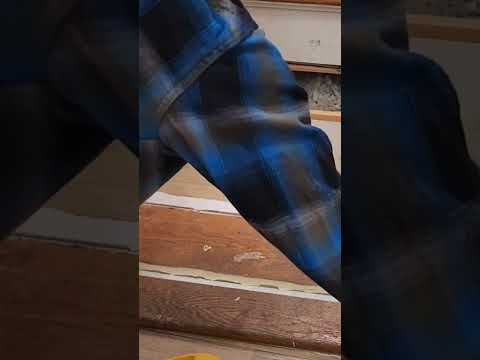
Prepare Stair Structure
90 minutesAfter removing the old treads, inspect the stair stringers and risers for any damage, loose nails, or debris. Remove any protruding nails using a hammer and nail set, or pull them out with the pry bar. Clean away any dust, old adhesive, or dirt from the surfaces where the new treads will be installed. Fill any small holes or gouges with wood filler and allow it to dry completely. Sand down any rough spots on the stringers and risers to ensure a smooth surface.
Watch: Prepare the Stair Structure
Measure and Cut Treads
120 minutesMeasure the depth of each stair (from the front edge of the existing tread to the riser) and the width of each stair. If the stairs are not perfectly square, measure the width at the front and back and use the larger measurement for accuracy. Transfer these measurements to your chosen tread material. Use a speed square or combination square to mark cut lines. Cut the treads using a circular saw or miter saw, ensuring clean, straight edges. Double-check measurements before cutting.
Watch: Measure and Cut Treads
Dry Fit Treads
30 minutesBefore applying any adhesive or fasteners, place each newly cut tread onto its intended stair. Check for any gaps or areas where the tread doesn't sit flush. Make minor adjustments by trimming small amounts if necessary. This step is crucial to ensure a professional finish and avoid costly mistakes later.
Watch: Dry Fit Tread and Nosing
Install New Treads
180 minutesApply a generous bead of construction adhesive along the top of the riser and along the stringers where the tread will sit. Carefully place the tread into position. From underneath, or through the riser if accessible, pre-drill pilot holes and then drive screws through the stringers into the underside of the tread. Ensure the screws are countersunk so they are not visible or will be covered by finishing. Alternatively, if screwing from the top is preferred and acceptable for the finish, pre-drill and countersink screws on the tread surface, then cover with wood plugs or filler.
Watch: Install New Treads
Finish New Treads
240 minutesOnce the adhesive has fully cured, sand the new treads smooth, starting with medium-grit sandpaper and progressing to finer grits. Wipe away all dust. Apply your chosen stain according to the manufacturer's instructions. Allow the stain to dry completely. Finally, apply several coats of a durable polyurethane or varnish, sanding lightly between coats with very fine-grit sandpaper (e.g., 220 grit) and wiping away dust. Ensure each coat is fully dry before applying the next.
Watch: Apply Polyurethane Finish to TreadsFrequently Asked Questions
What essential tools will I need to successfully install new stair treads?
You'll primarily need a tape measure, a stair tread gauge or T-bevel for accurate angles, a miter saw or circular saw for precise cuts, construction adhesive, and a brad nailer or screws with a drill for secure fastening. Don't forget safety glasses and hearing protection.
What are the critical safety precautions to take when working on a stair tread project?
Ensure the existing stair structure is stable before starting. Work on one or two steps at a time to maintain safe access. Always use appropriate personal protective equipment like safety glasses and ear protection, and keep your work area clear to prevent trips and falls.
As a beginner, how difficult is this project, and what should I expect for time and cost?
This project is manageable for a beginner but requires patience and precision, especially with measurements and cuts. Expect it to take around 3 days, as listed, allowing for drying times. Costs will vary significantly based on material choice, from a few hundred dollars for laminate to over a thousand for solid hardwood.
What common mistakes should I watch out for when installing new stair treads?
Common mistakes include inaccurate measurements leading to gaps, insufficient adhesive or fasteners causing squeaks, and not properly preparing the sub-tread. Always dry-fit each tread before final installation, use plenty of construction adhesive, and ensure a clean, level surface underneath.
What materials are best for new stair treads, and how do I choose the right one?
Popular options include solid hardwood (oak, maple), engineered wood, or laminate. Solid wood is durable and can be refinished, while engineered and laminate treads can be more cost-effective and easier to install. Consider your home's existing flooring, your budget, and the desired durability and aesthetics.
Should I remove the old stair treads, or can I install new ones directly over them?
It's generally recommended to remove old treads to ensure a level, solid base and to maintain consistent rise heights for safety. Installing new treads directly over old ones can create uneven step heights or make the stairs too tall, potentially violating local building codes and creating a tripping hazard.