

Stair Tread Sizing
About This Project
Getting your stair tread dimensions right is the crucial first step in any easy DIY stair remodel. It ensures a safe, comfortable, and beautiful result, giving you the perfect foundation to elevate your staircase with style and peace of mind.
Tools & Materials

Oak Valley Miles - Tread
Oak Valley Miles - Tread
Treads
Steps
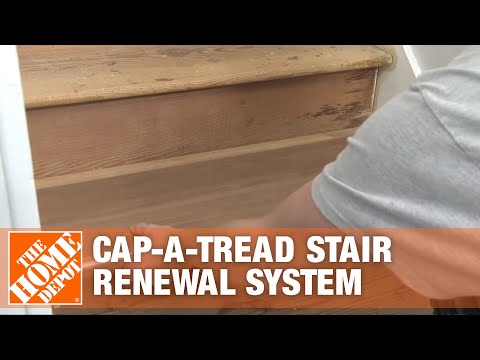
Measure Your Tread Depth
10 minutesTo ensure safety and a perfect fit, use a tape measure to find the distance from the very front edge of a step (this overhang is called the 'nosing') back to the vertical board (the 'riser'). Getting this number right is essential for ensuring your foot has plenty of room, which is a cornerstone of stair safety. This measurement is your guide for a perfect fit.
Watch: Measure Treads and Mark Laminate
Measure Your Tread Run
10 minutesThe 'tread run' is the horizontal distance from the front edge of one step's nosing to the vertical face of the riser above it. Think of it as the flat, usable stepping surface. For a comfortable and natural walking rhythm up and down your stairs, it's important that this measurement is the same for every single step.
Watch: Measure and Verify Rise and Run
Determine Your Ideal Tread Width
15 minutesThe width is simply the measurement from one side of the step to the other—for example, from the wall to the railing. While this is usually set by your staircase's structure, knowing the exact width is vital. It ensures a clean, professional look and is fundamental for safe passage, especially when carrying items or for families with children or pets.
Watch: Measure Stair Tread Width
Factor in the Nosing for Total Depth
15 minutesThe total tread depth is a combination of the 'run' you measured in Step 2 plus the 'nosing'—that part of the tread that hangs over the riser below. Building codes typically require this overhang (usually between 3/4 inch and 1-1/4 inches) because it adds crucial space for your foot, preventing slips. The formula is simple: Total Tread Depth = Actual Tread Depth + Nosing. This is how you achieve a professional, safe result.
Watch: Adjusting Stringer Layout for Nosing and Riser Thickness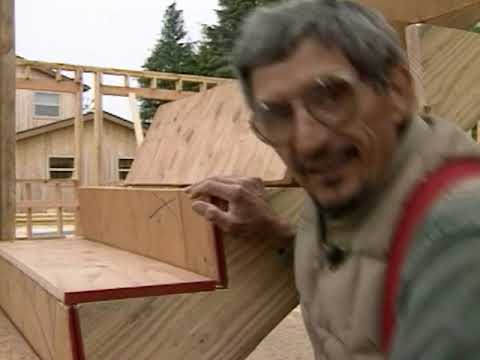
Check Your Staircase's Overall Balance
20 minutesThis is a pro-level check that gives you ultimate peace of mind. Calculate the total horizontal distance your stairs cover (the 'total run') and the total vertical height from floor to floor (the 'total rise'). A well-built staircase will have a consistent relationship between these numbers. This step helps you spot any major inconsistencies that might make the stairs feel 'off' or unsafe, ensuring your project is built on a solid foundation.
Watch: Measure Total RiseApply the Stair-Building 'Comfort Formula'
15 minutesHere’s a secret from the pros for ensuring a comfortable stride. The formula is: 2 x (Riser Height) + Tread Depth = 24 to 25 inches. This simple calculation helps guarantee that your stairs aren't too steep or too shallow, making them safer and more pleasant to use for everyone, from kids to grandparents. Checking your measurements against this rule is a fantastic way to ensure your DIY stair remodel achieves a truly professional feel.
Watch: Calculate Rise and RunFrequently Asked Questions
What specific measuring tools are essential for accurately sizing stair treads?
Beyond a standard tape measure, a reliable straight edge, a carpenter's square, and a pencil are crucial. For precise and repeatable cuts, a specialized stair tread measuring tool like the 'Oak Valley Miles - Tread' can greatly simplify the process, ensuring consistent angles and lengths for each step.
What safety precautions should I take while measuring my existing stair treads?
Always ensure good lighting and clear any clutter from the stairs before you begin. Wear appropriate footwear with good grip to prevent slips. If working on stairs without handrails, exercise extra caution and consider having someone spot you for balance, especially when reaching or bending.
How difficult is the stair tread sizing process, and can a beginner really complete it in an hour?
This part of the project is genuinely beginner-friendly, as it primarily involves careful measuring rather than complex cuts or installations. While the actual measuring can be done within 60 minutes, take your time and double-check all dimensions. Accuracy is paramount here to avoid costly errors later in your remodel.
What's the biggest mistake beginners make when sizing stair treads, and how can I avoid it?
The most common mistake is assuming all existing treads are exactly the same size. Always measure each individual tread's width and depth, as slight variations are common, especially in older homes. Inconsistency in measurements will lead to ill-fitting treads and an unprofessional finish.
What is the 'stair-building comfort formula' and why is it important for new tread sizing?
The comfort formula, often '2x rise + run = 24 to 25 inches,' helps ensure your stairs are comfortable and safe to ascend and descend. When sizing your new treads, it guides you in determining the ideal depth (run) in relation to your riser height, optimizing the ergonomics and overall balance of your staircase.
Does the type of material I plan to use for my new treads affect how I should measure them?
Yes, the material can influence your final measurements, especially regarding thickness and nosing. For example, thicker solid wood treads might require different nosing considerations than thinner laminate overlays. Always factor in the specific product's specifications, including its thickness, when calculating your total tread depth and run.
Why is it so critical to get my stair tread dimensions perfect before I even buy materials?
Accurate measurements are the foundation of a successful stair remodel. Incorrect dimensions lead to ill-fitting treads, which can be a safety hazard, look unsightly, and waste expensive materials that cannot be returned once cut. Getting it right ensures a safe, comfortable, and beautiful staircase without costly reworks.