

Stair Tread Depth Measurement
About This Project
Are you ready to elevate your staircase but worried about getting the right fit? It’s a common homeowner concern! Stairs, even in the same home, often have slight variations in depth. This simple, step-by-step guide will empower you to measure your stairs like a pro, ensuring your new treads fit flawlessly on every step. Achieving that secure, custom-made look is easier than you think and is the first step to making your stairs safer, more stylish, and built for everyday life.
Steps
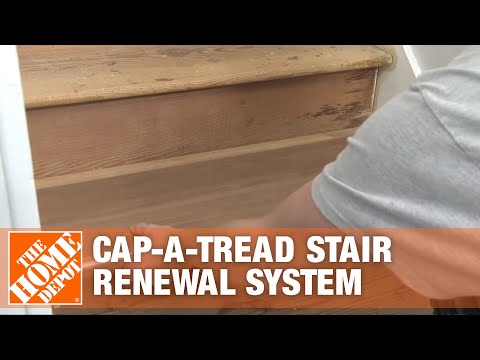
Measure Your First Tread
2 minutesStart with the first step at the bottom of your staircase. Place your tape measure at the very front edge of the step (this is called the 'nosing') and measure straight back until you touch the vertical part of the next step up (the 'riser'). Be precise and write this number down. This first measurement is the foundation for a successful and beautiful DIY stair remodel.
Watch: Measure Treads and Mark LaminateMeasure Every Step – Don't Skip!
5 minutesNow, repeat the process for every single stair on your staircase. It might seem repetitive, but this is a crucial step for a quality result! It’s very common for stairs to have slight variations in depth due to the original construction. Jot down the measurement for each individual step so you have a complete and accurate picture of your unique staircase.
Watch: Measure Treads and Mark Laminate
Identify Your Minimum Depth
3 minutesLook over all the numbers you wrote down and circle the *smallest* depth measurement. This is your most important number! To ensure every single tread fits perfectly and looks uniform, your new set of treads must be sized to fit on your narrowest step. This is the secret to achieving a professional, gap-free look and ensuring a secure fit for enhanced safety and peace of mind.
Watch: Measure Stair Tread Depth
Account for Any Major Differences
3 minutesAs you review your list, do any measurements stand out as being significantly different from the others? For example, is one step a full inch deeper? Make a special note of these outliers. This information is incredibly helpful, as it highlights where a standard size might not be the best solution. Knowing this helps you choose the right product and is a key part of the Oak Valley Difference—finding the perfect solution for your specific home.
Watch: Analyzing Stairway Without Step Nosings (Deck Nosing Present)Frequently Asked Questions
What specific tools are best for accurately measuring stair tread depth?
For precise measurements, use a reliable tape measure, a carpenter's square or speed square to ensure right angles, and a sharp pencil for marking. A specialized stair tread gauge can also be incredibly helpful, especially for irregular steps, as it allows you to transfer angles and lengths directly.
My stairs look identical; do I really need to measure every single tread?
Yes, it's crucial to measure every single tread. Stairs often have slight variations in depth, width, and angle due to settling or construction imperfections. Measuring each one ensures a custom, perfect fit for every new tread, preventing gaps, uneven surfaces, or ill-fitting pieces that could compromise safety and aesthetics.
What should I do if I find significant differences in depth between my stair treads?
Identify the minimum depth among all your steps; this will be your baseline for ordering or cutting new treads. For steps that are deeper, you might need to use shims or additional support at the back to ensure the new tread is level and securely installed, or simply allow for the deeper tread if it doesn't affect the overall appearance or safety.
How difficult is this measurement project, and how long should it realistically take?
This project is considered beginner-friendly, requiring basic measurement skills and attention to detail. While the estimated time is 30 minutes, allow yourself a bit more time if your staircase has many steps or noticeable irregularities. Accuracy is paramount, so don't rush the process.
Are there any safety precautions I should take when measuring stair treads?
Always ensure the staircase is well-lit and clear of any clutter before you begin. Take your time, maintain three points of contact when moving up and down the stairs, and use a stable step stool if necessary for higher steps to prevent falls while you're focused on making measurements.
What are the potential consequences of inaccurate stair tread measurements?
Inaccurate measurements can lead to significant waste of materials, requiring costly re-ordering or re-cutting of new treads. More importantly, ill-fitting treads can create dangerous trip hazards, compromise the structural integrity of your staircase, and severely diminish the overall aesthetic appeal of your home improvement project.