
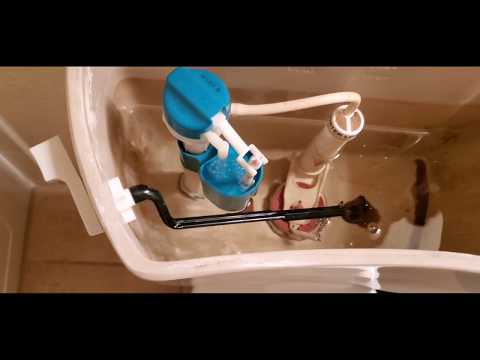
Running Toilet Repair
About This Project
This project outlines the steps to diagnose and fix a toilet that continuously refills, indicating a leak within the tank. It involves identifying the source of the leak, replacing faulty components such as the flapper or fill valve, and testing the repair to ensure the toilet stops running.
Tools & Materials
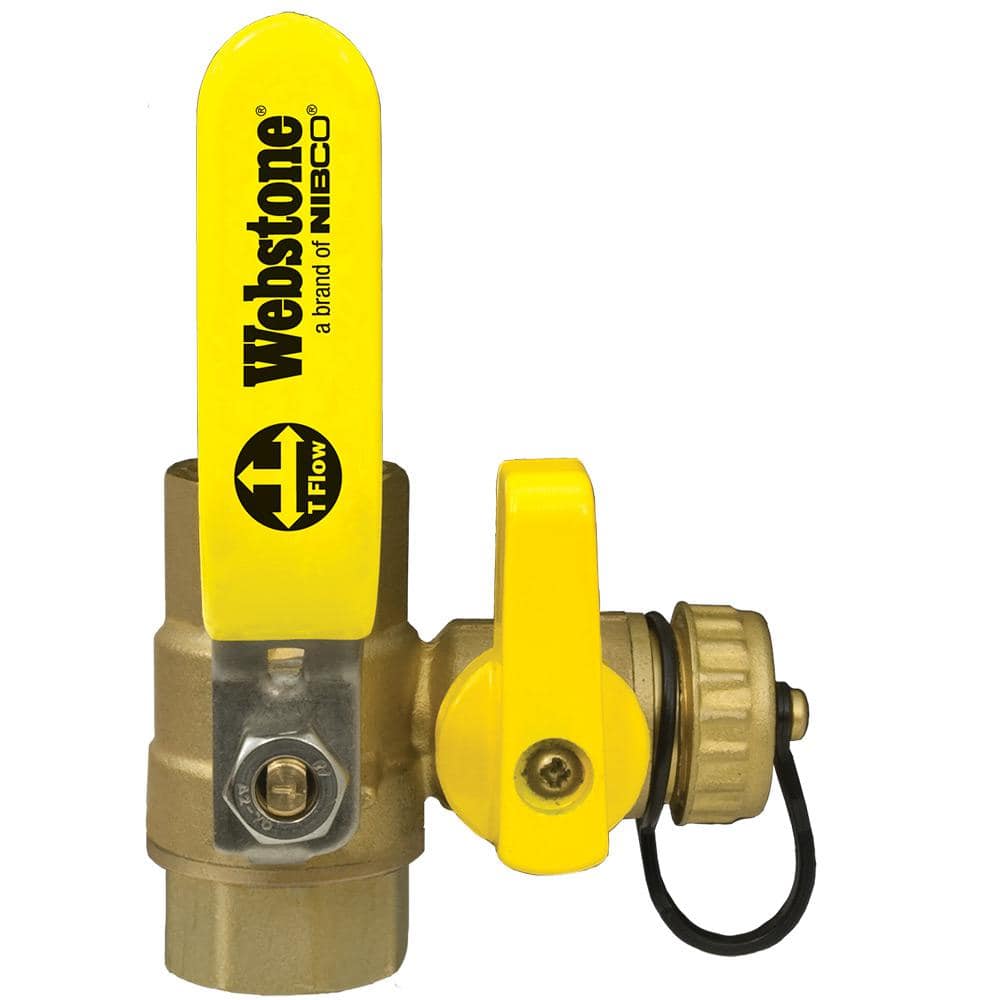
Webstone, a brand of NIBCO 1/2 in. Forged Brass Lead-Free IPS Full Port Ball Valve FIP with Hi-Flow Hose Drain & Reversible Handle 40612W

KOHLER Toilet Tank Cover in White 84591-0
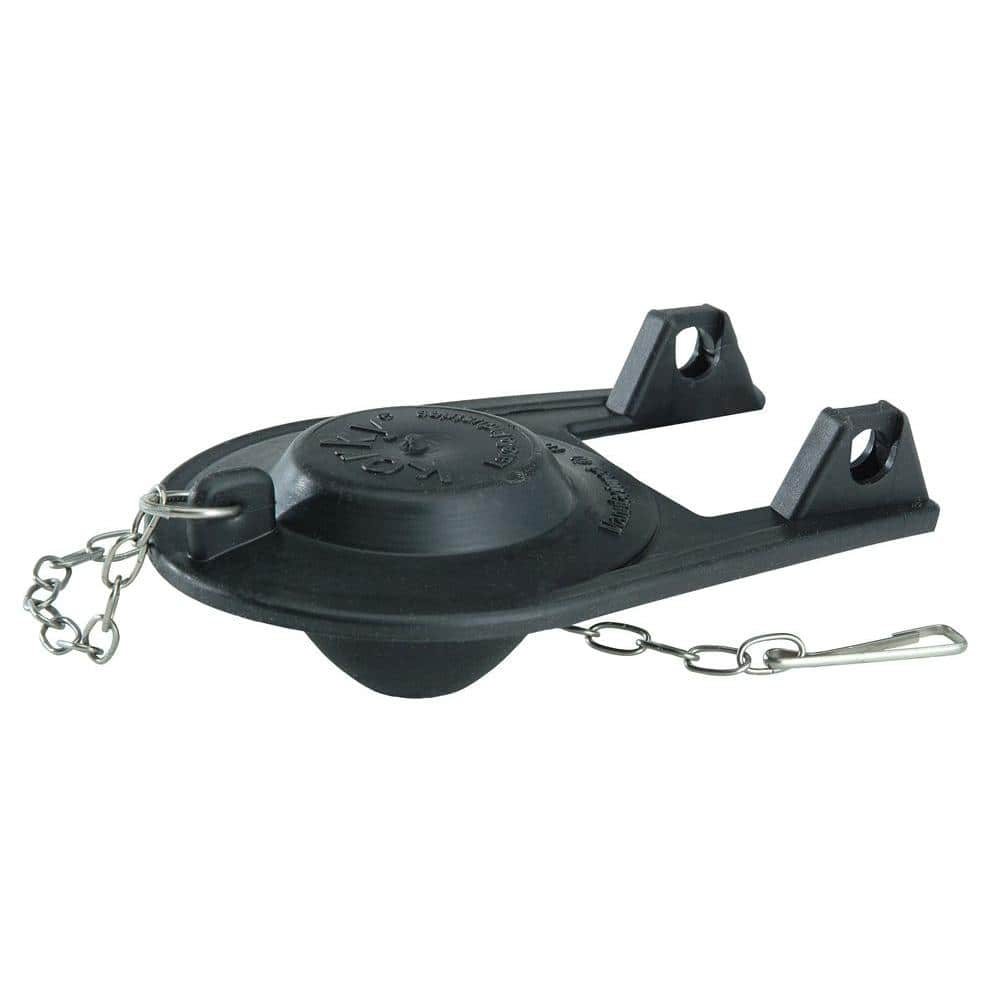
Korky 2 in. Toilet Tank Flapper 54BP
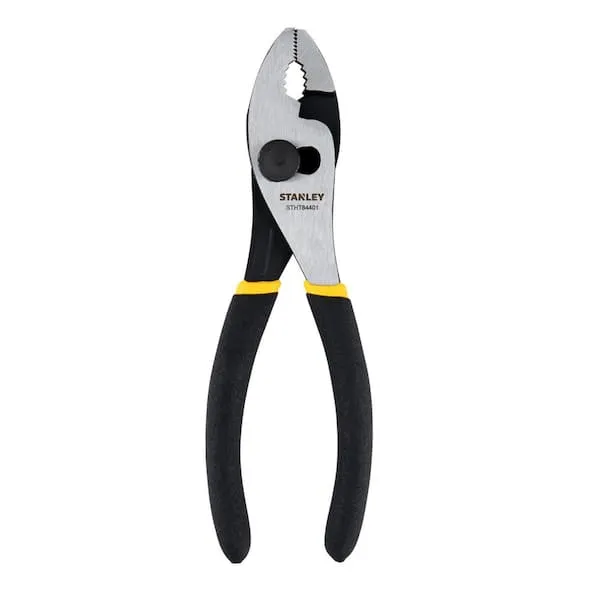
Pliers
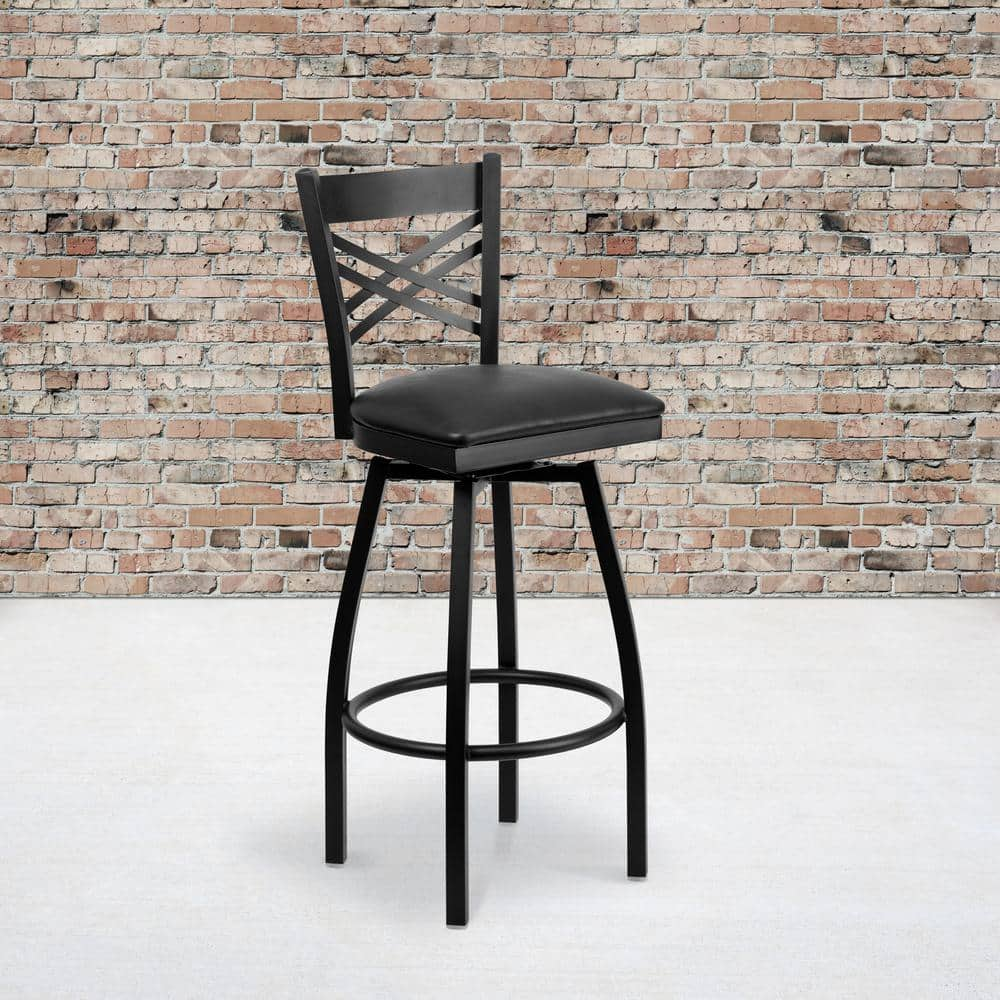
Flash Furniture Black Hercules Series

American Standard 400A Universal Fill Valve for Toilet 7381125-400.0070A
Webstone, a brand of NIBCO 1/2 in. Forged Brass Lead-Free IPS Full Port Ball Valve FIP with Hi-Flow Hose Drain & Reversible Handle 40612W
Pro-Pal valves are your best choice for efficient installation and system operation and for helping to control costs. Pro-Pal Valves combine commonly used components into a single forged brass alternatives
KOHLER Toilet Tank Cover in White 84591-0
Expect quality from this KOHLER toilet tank cover. It comes with a white finish. The cover has a 1-year limited warranty.
Korky 2 in. Toilet Tank Flapper 54BP
The Korky standard 2 inch Toilet Tank Flapper features rubber construction. The flapper is universal and fits standard 2 inch plastic flush valves. The preferred flapper brand of plumbing pros since 1954.
Pliers
Grips and manipulates objects.
Flash Furniture Black Hercules Series
Upgrade your home, restaurant, or patio bar with the Flash Furniture Hercules Series
American Standard 400A Universal Fill Valve for Toilet 7381125-400.0070A
The durable construction of this toilet fill valve stands up to high-use areas, so it is suitable for most applications. Easy to install, you can rely on the performance of this 10 in. valve. Be sure to check the model of your toilet for compatibility, as it is not an adjustable fit. It also includes the installation hardware.
Steps



Check Flapper Seal
3 minutesExamine the flapper at the bottom of the tank. It should create a watertight seal with the flush valve seat. Look for cracks, hardening, or a distorted shape. Try pressing down on the flapper to see if the water stops filling. If it does, the flapper is likely the culprit.
Watch: Inspect the Flapper and Chain
Replace Flapper if Necessary
5 minutesUnhook the old flapper from the chain attached to the flush lever and detach it from the overflow tube. Install the new flapper by attaching it to the overflow tube and connecting the chain to the flush lever, ensuring proper tension.
Watch: Install New Flapper and Adjust Chain
Check Fill Valve Operation
3 minutesObserve the fill valve, which is responsible for refilling the tank after a flush. If the water level is consistently too high and overflowing into the overflow tube, the fill valve may be faulty or improperly adjusted. Check if the float is set too high or if the valve itself is leaking internally.
Watch: Determine Leak Cause
Adjust or Replace Fill Valve
15 minutesIf the float is set too high, adjust it to the recommended water level line inside the tank. If the fill valve itself is leaking or not shutting off, it will need to be replaced. Follow the manufacturer's instructions for removal and installation of a new fill valve.
Watch: Adjust Fill Valve Height

Reassemble and Test
5 minutesPlace the toilet tank lid back on. Turn the water supply valve counter-clockwise to restore the water supply. Listen to see if the toilet continues to run. Flush the toilet and observe if the water stops filling at the appropriate level and if there are any leaks.
Watch: Test and AdjustFrequently Asked Questions
How difficult is fixing a running toilet for a beginner, and how much time should I set aside?
This project is generally considered beginner-friendly and primarily involves simple component replacement inside the tank. Expect to spend about 1-2 hours to diagnose the issue and replace parts, especially if it's your first time tackling this repair. The steps are straightforward and don't require specialized skills.
What basic tools will I definitely need to fix a running toilet?
You'll primarily need an adjustable wrench to loosen nuts and pliers for minor adjustments. A bucket is essential for catching water when disconnecting lines or draining the tank, and a sponge or old towels will help with cleanup. No highly specialized tools are required for most running toilet repairs.
Are there any important safety steps to take before I start working on my toilet?
Yes, always turn off the water supply to the toilet completely before starting any work inside the tank; this is crucial to prevent accidental flooding. It's also a good idea to flush the toilet after turning off the water to empty the tank as much as possible before disassembling components.
I replaced the flapper, but my toilet is still running. What should I check next?
If a new flapper doesn't stop the running, the issue likely lies with the fill valve. Check if the water level in the tank is too high, causing water to continuously overflow into the fill tube, or if the fill valve itself is faulty and not shutting off properly. You may need to adjust or replace the fill valve to resolve the problem.
How much should I expect to spend on parts to fix a running toilet?
Repairing a running toilet is typically inexpensive. A new flapper usually costs under $10-15, and a replacement fill valve generally ranges from $15-30. The total cost of parts for most repairs is often less than $50, making it a very cost-effective DIY project compared to calling a plumber.
How can I tell if it's the flapper or the fill valve that's causing the toilet to run?
To test the flapper, add a few drops of food coloring to the tank water and wait 15-30 minutes without flushing; if the color appears in the bowl, the flapper isn't sealing. If the water level in the tank is consistently too high and overflowing into the flush valve's standpipe, then the fill valve is likely the culprit and needs adjustment or replacement.