How to Protect Stairs and Floors When Moving Furniture
About This Project
This project outlines methods to protect stairs and floors from damage during furniture moving. It involves preparing the area, using appropriate protective materials, and executing the move with care.
Tools & Materials
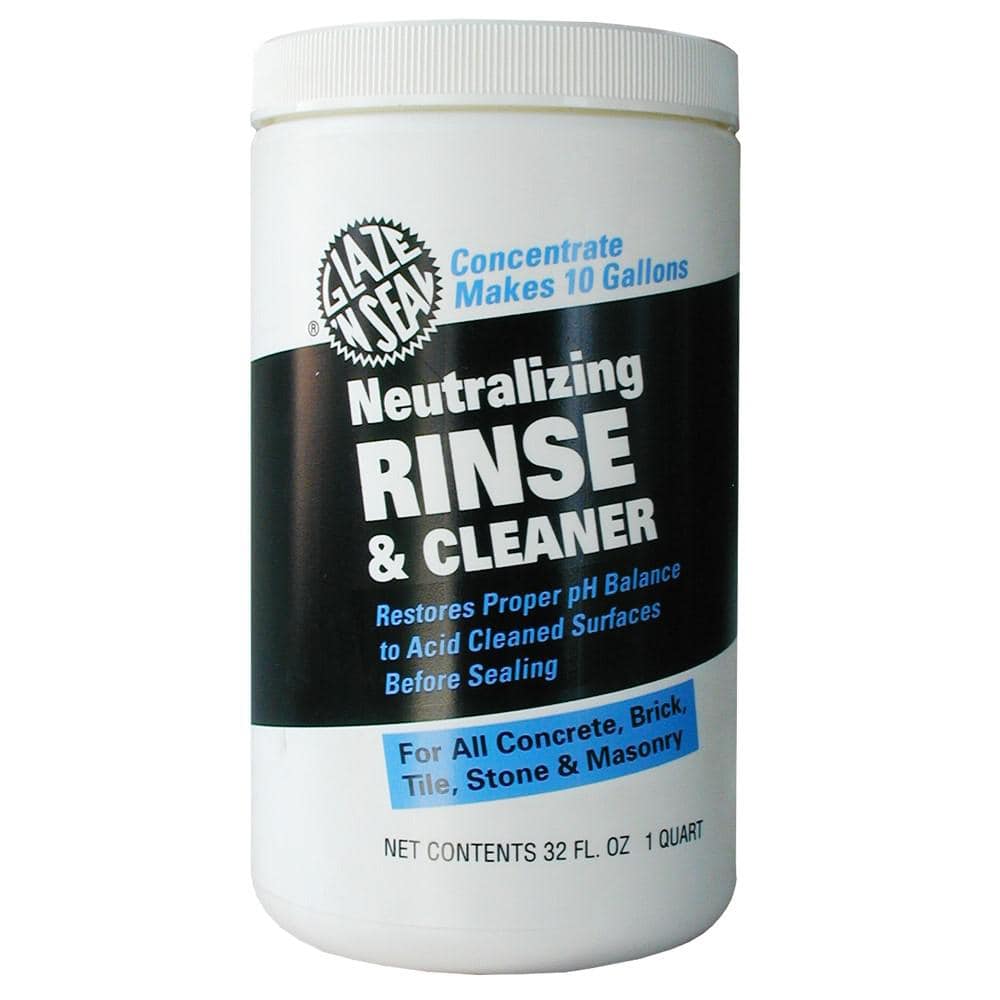
Glaze 'N Seal 2 lbs. Neutralizing Rinse Concentrate Powder E332
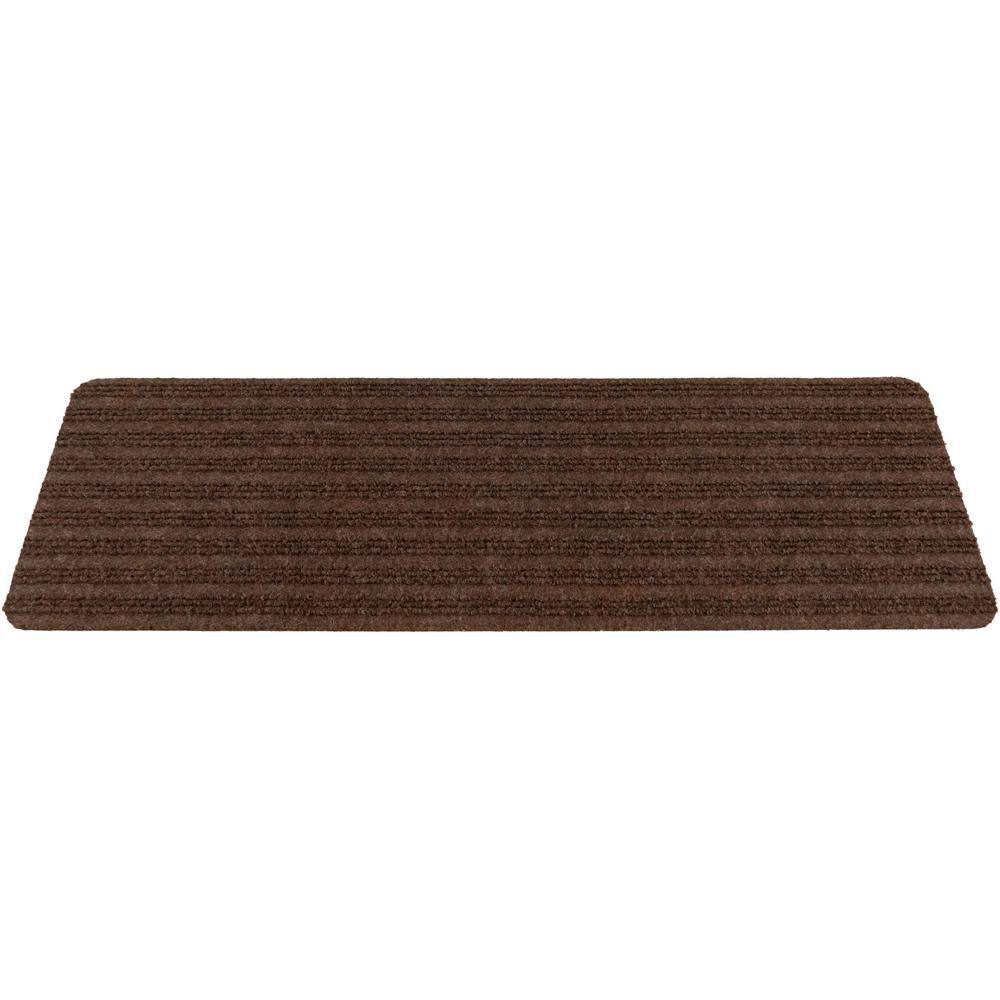
Stair Treads Collection Brown 8 Inch x 30 Inch Indoor Skid Slip Resistant Carpet Stair Treads Set of 15 ST8X30-15-BROWN

TOOLMASTER 40 in. x 72 in. Moving Blanket 22030
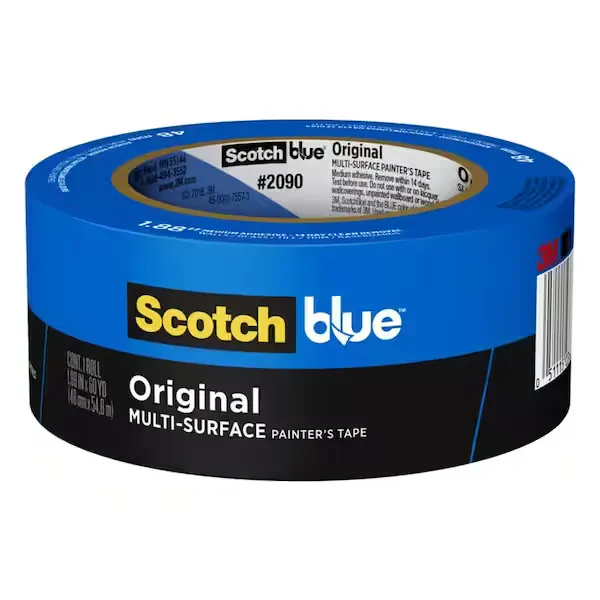
Painters Tape
Masonite
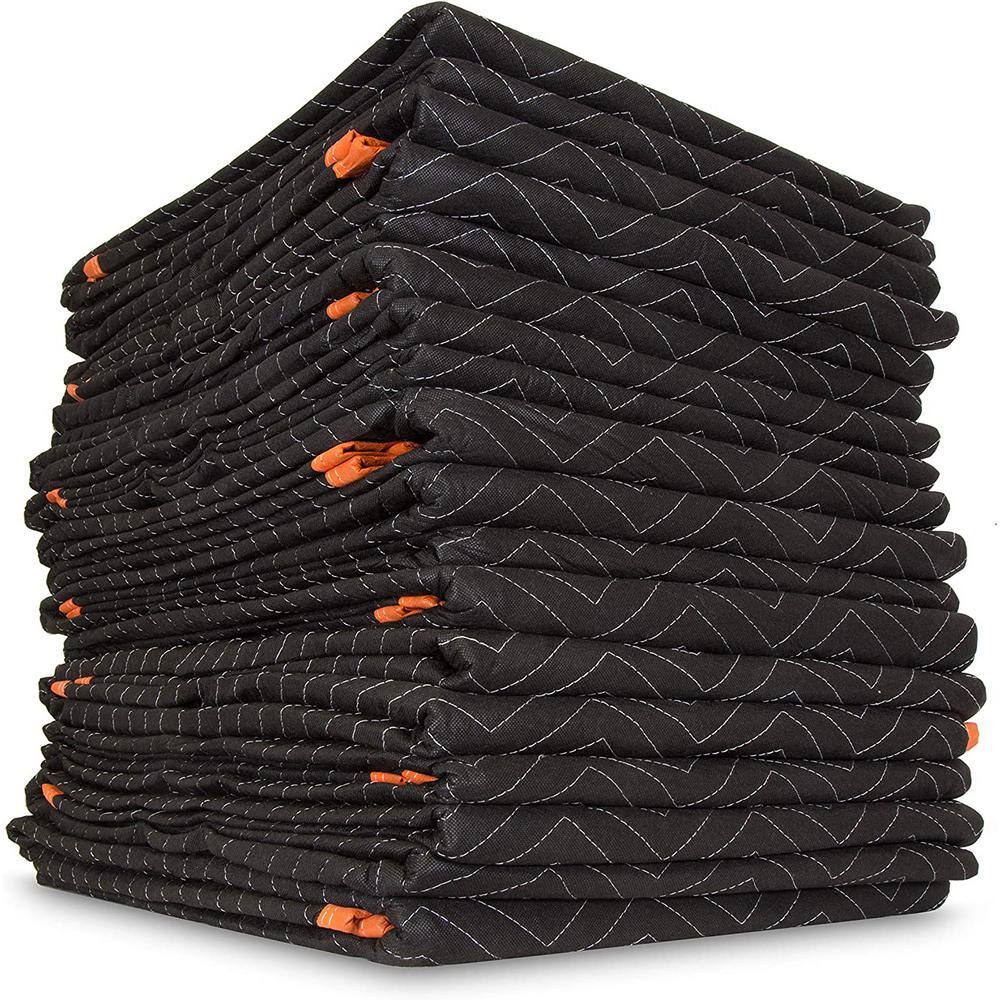
THE CLEAN STORE 12PK 72 in. x 40 in. Moving Blankets 200
Glaze 'N Seal 2 lbs. Neutralizing Rinse Concentrate Powder E332
This an easy, safe way to neutralize concrete, brick, tile and stone when acid has been used in a cleaning, etching or staining process. It may also be used as an alkaline cleaner for soil removal. The
Stair Treads Collection Brown 8 Inch x 30 Inch Indoor Skid Slip Resistant Carpet Stair Treads Set of 15 ST8X30-15-BROWN
Our Stair Treads Collection carpet stair treads is an easy solution to prevent slippage and provide safety to your loved ones. Weather you want to help your pets to use stairs or prevent any slippage and accidents our stair treads are a great solution. Our classic stair treads will also help to reduce noise and protect your stair surface from dirt and wear. Our indoor stair treads offer 100% UV treated polyester machine made construction with skid slip resistant marine backing. Strong construction for tough conditions.100% UV polyester surface : Slip skid resistant rubber backing works on most of the floor types without the need of an adhesive : Easy to vacuum and clean low profile : Corrugated construction for better traction and grip : We do not recommend to use any adhesives if you have finished stair surface or test it before apply : Low profile in order to prevent any tripping and curved corners designed for to prevent curl ups
TOOLMASTER 40 in. x 72 in. Moving Blanket 22030
The TOOLMASTER Moving Blanket is ideal for general purpose use, storage and moving. Protect furniture, appliances and other large items from nicks and scratches. Made of durable non-woven fabric.
Painters Tape
Masks areas for precision painting.
Masonite
Used for making the circle jig for the router.
THE CLEAN STORE 12PK 72 in. x 40 in. Moving Blankets 200
Includes twelve 72"x40" moving blankets. Internal padding prevents damage to both your surfaces and your furniture. Perfect for moving furniture, appliances and more.
Steps

Clear Obstructions
15 minutesWalk through the path the furniture will take, both on the stairs and the surrounding floors. Remove all small rugs, doormats, decorative items, shoes, plants, and anything else that is not a permanent fixture. This ensures a clear and safe path for moving, minimizing the risk of items being knocked over or stepped on.
Watch: Prepare the Apartment for Rearrangement
Apply Stair Protectors
30 minutesBegin at the top of the stairs. Lay down stair treads or carpet protectors, ensuring they cover the entire tread surface and, if possible, extend slightly over the riser. Secure them with painter's tape if they tend to shift. For temporary protection, thick moving blankets can be used, carefully folded and taped to conform to the stair shape.
Watch: Protect Stairs with Specialized Covers
Protect Hardwood or Delicate Floors
45 minutesIn areas with hardwood, laminate, or vinyl flooring that will be trafficked, lay down protective materials. Ram Board or Masonite sheets are excellent for heavy traffic and provide a rigid surface. Alternatively, thick moving blankets can be used, overlapping them to create a continuous protective layer. Ensure the entire path is covered, extending from the furniture's starting point to the stairs and from the stairs to the exit.
Watch: Protect Hardwood Stairs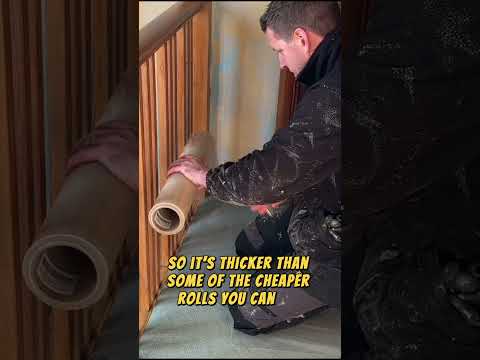
Protect Carpeted Areas
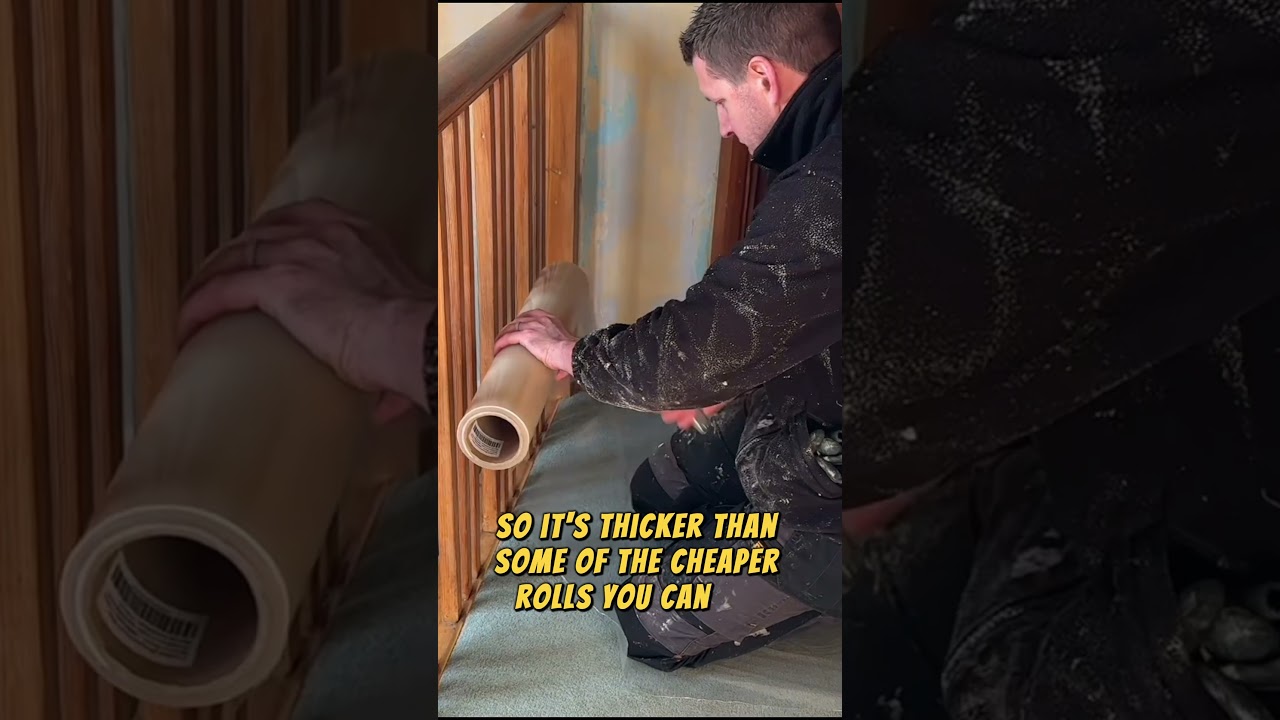
30 minutesFor carpeted surfaces, apply carpet protection film, which is a self-adhesive plastic sheeting. Alternatively, use specialized carpet runners or thick moving blankets. Ensure the film or runners extend across the entire path where furniture will be moved. For runners, overlap them slightly and tape them down to prevent shifting.
Watch: Cut and Secure Carpet Protector
Secure Furniture Legs
10 minutesBefore moving furniture, pay special attention to the legs. Wrap the bottom of each leg securely with a moving blanket or specialized furniture leg covers. This adds an extra layer of protection for both the furniture legs and the floor/stair coverings, especially when maneuvering around corners or tight spaces.
Watch: Use Carpet or Blankets for Heavy Furniture
Move Furniture Slowly and Carefully
60 minutesWith adequate help, slowly and deliberately move the furniture. Communicate with your helpers to coordinate movements, especially on stairs. Avoid sliding the furniture or letting it bump into walls or railings. Keep the furniture as level as possible, particularly when navigating stairs, to maintain control and prevent damage to the items or the protected surfaces.
Watch: Maneuver Furniture Through Apartment and into Elevator
Remove Protective Coverings
20 minutesAfter all furniture has been moved, carefully remove all the protective coverings. Start by removing any tape. Peel back the stair treads, carpet film, runners, and floor protection sheets. Roll them up as you go to prevent them from becoming a hazard.
Watch: Remove Protective Plastic SheetingFrequently Asked Questions
What are the essential tools and materials I need to protect my floors and stairs effectively?
You'll definitely need moving blankets, painter's tape, and potentially Masonite or self-adhesive carpet film for different floor types. Don't forget moving straps or a furniture dolly like the Milwaukee 1,000 lb. Capacity Furniture Dolly 33700 for safer furniture transport, as these prevent dragging and heavy lifting.
How can I ensure the protective coverings on my stairs and floors don't become a tripping hazard?
Secure all coverings tightly with painter's tape, especially on stair treads and edges, to prevent shifting or bunching. For self-adhesive film, ensure it adheres smoothly without bubbles or loose edges. Always double-check that the path is clear and stable before moving heavy items to minimize slip and trip risks.
The project estimates 4 hours; is this accurate for a beginner, or should I allocate more time?
The 4-hour estimate is a good guideline for preparing a typical house, assuming you have all materials ready and a clear plan. For beginners, it's wise to allocate an extra hour or two to allow for familiarizing yourself with the materials and carefully applying them. Rushing the preparation can lead to inadequate protection and potential damage.
What are the most common mistakes people make when trying to protect their floors and stairs during a move?
A common mistake is underestimating the amount of protection needed, especially for high-traffic areas or very heavy furniture. Another error is not securing protective materials adequately, leading to slips, shifting, or uncovered spots. Also, forgetting to lift and carry, rather than dragging furniture, can still cause damage even with floor protection.
I don't have specialized floor protection like Masonite or carpet film. What are some effective DIY alternatives?
For hardwood floors, flattened cardboard boxes taped together securely can offer good protection, or layers of old blankets/towels covered with a tarp. For stairs, old carpets or rugs can work if taped firmly to each tread. Always ensure these alternatives are thick enough and taped down well to prevent movement and offer cushioning.
How important is securing furniture legs, and what's the best way to do it?
Securing furniture legs is crucial to prevent them from digging into or scratching floors, especially when pivoting or maneuvering. You can use furniture glides, thick socks, or wrap thick moving blankets around the legs and secure them with tape. This significantly reduces friction and protects surfaces during movement, even over protected floors.
After the move, how should I clean any residue from tape or ensure my floors are ready for use again?
Using painter's tape designed not to leave residue is key, but if some remains, a gentle adhesive remover or rubbing alcohol can often help. For floors that used products like Glaze 'N Seal, ensure a proper neutralizing rinse is used as directed to remove any cleaning agents and leave the surface ready. Always test any cleaning solution in an inconspicuous spot first.