
Pipe Shelf
About This Project
This project outlines the steps to build a functional and aesthetically pleasing pipe shelf. It covers material selection, cutting and assembly of pipe components, preparation and attachment of the wood shelf, and finishing touches.
Tools & Materials

Milwaukee M18 FUEL 18V Lithium-Ion Brushless Cordless HACKZALL Reciprocating Saw Kit with Carbide Teeth AX SAWZALL Blade 2719-21-48-00-5226

DEWALT 12 in. 2X Premium Metal Cutting Blade (5-Pack) DWA41812
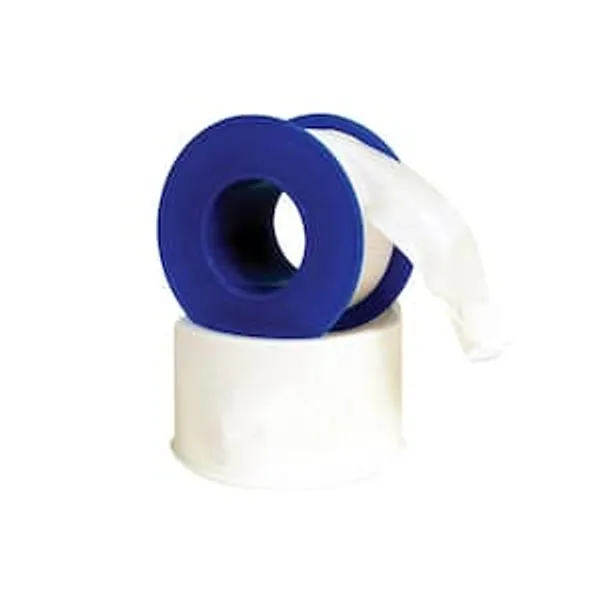
Plumbers Tape
Milwaukee Clear Safety Glasses Anti-Scratch Lenses 48-73-2010
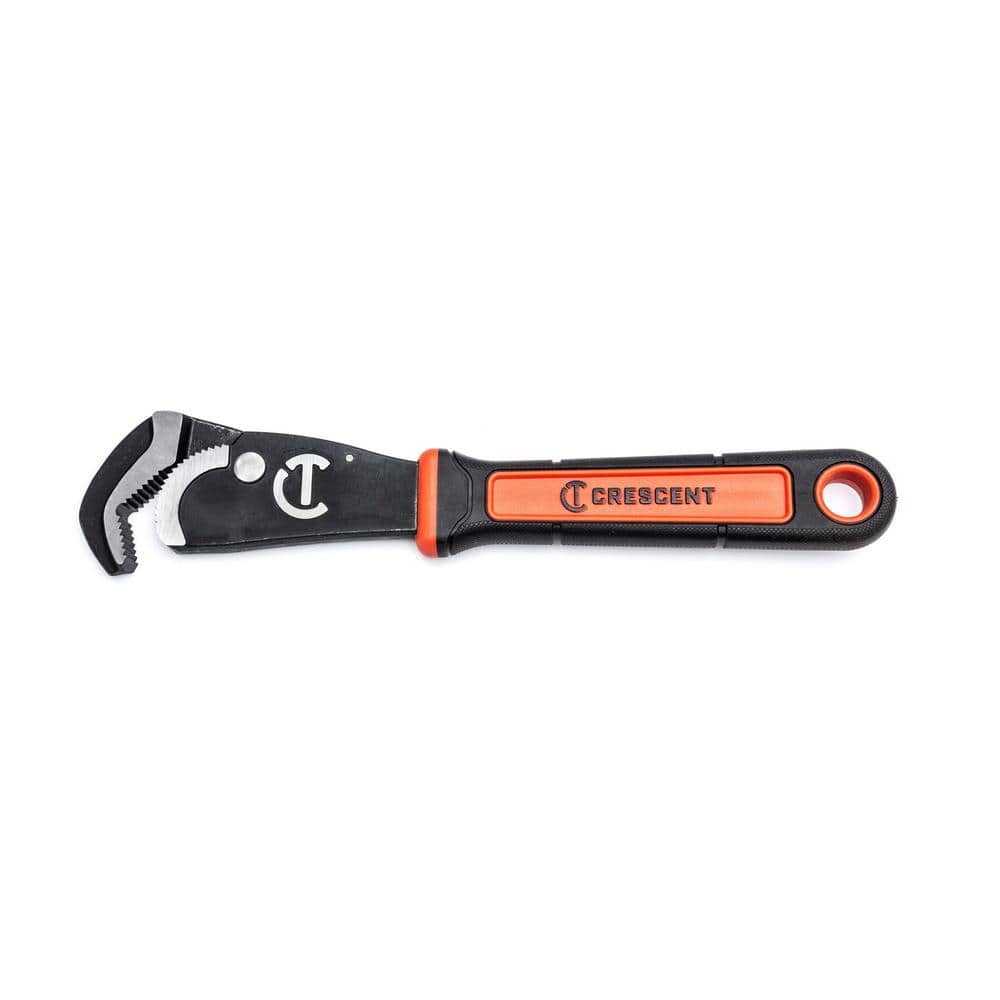
Crescent 12 in. Self-Adjusting Straight Pipe Wrench with Grip CPW12
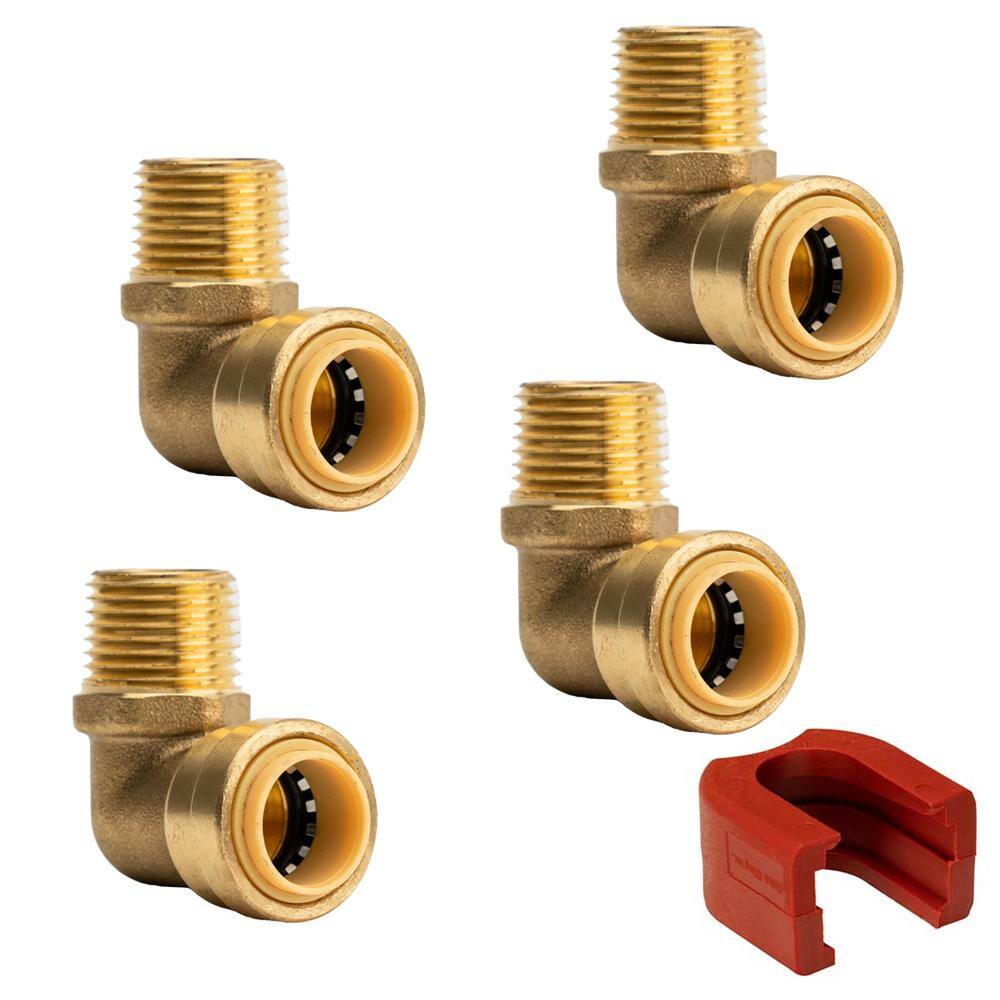
QUICKFITTING 1/2 in. Push-to-Connect x MIP Brass 90-Degree Elbow Fitting with SlipClip Release Tool (4-Pack) LF813MR-4
Milwaukee M18 FUEL 18V Lithium-Ion Brushless Cordless HACKZALL Reciprocating Saw Kit with Carbide Teeth AX SAWZALL Blade 2719-21-48-00-5226
Milwaukee m18 fuel hackzall (2719-21) is fastest cutting and most powerful 1-handed reciprocating saw. Utilizing a powerstate brushless motor and a best-in-class 7/8 in. Stroke length, m18 fuel hackzall
DEWALT 12 in. 2X Premium Metal Cutting Blade (5-Pack) DWA41812
DEWALT 2X Long Life Metal Cutting Reciprocating Saw Blades can withstand extreme jobsite conditions. A tall, high-speed steel strip helps to reduce breakage and maximizes tooth life. An aggressive shank
Plumbers Tape
Ensures leak-proof pipe joints.
Milwaukee Clear Safety Glasses Anti-Scratch Lenses 48-73-2010
The Milwaukee Anti-Scratch Safety Glasses are designed for all day comfort with anti-scratch clear lenses. This protective eyewear has an anti-scratch hard coat to protect the lenses from the demands of the jobsite. The safety glasses feature comfortable temple arms designed for extended wear. These protective glasses have an integrated flexible nose bridge for extended user comfort.
Crescent 12 in. Self-Adjusting Straight Pipe Wrench with Grip CPW12
Crescent self-adjusting pipe wrenches feature a unique head design that instantly grips and releases pipes and other types of fasteners with a fast ratcheting action. They are ideal for most surfaces including black iron, galvanized, PVC, and copper pipes as well as nuts, bolts, and couplings. The spring-loaded head features a quick-grip and quick-release function that allows the wrench to be used with one hand.
QUICKFITTING 1/2 in. Push-to-Connect x MIP Brass 90-Degree Elbow Fitting with SlipClip Release Tool (4-Pack) LF813MR-4
QUICKFITTING's patented technologies offer a full range of high-quality plumbing fittings and valves that are quick and easy to install. Our fittings are reusable, durable, permanent plumbing connections
Steps


Prepare the Wood Shelf
60 minutesCut the wooden plank to the desired length and width. Sand all surfaces smooth, starting with a coarser grit sandpaper and progressing to a finer grit. Apply your chosen finish (stain, paint, sealant) according to the product instructions.
Watch: Gather and Prepare Wood
Attach Shelf to Pipe Supports
20 minutesPosition the wooden shelf onto the pipe support structure. Mark the locations for screws on the underside of the shelf, ensuring they align with the pipe flanges. Drill pilot holes and then secure the shelf to the flanges using screws.
Watch: Attach shelf to pipe frameMount the Pipe Shelf to the Wall
30 minutesDetermine the desired location for your shelf. Use a stud finder to locate wall studs for secure mounting. Hold the shelf in place, mark the hole locations on the wall through the pipe flanges. Drill pilot holes into the studs and secure the shelf to the wall using appropriate screws.
Watch: Mount shelf to wallFrequently Asked Questions
Do I really need a reciprocating saw to cut the metal pipes for this project?
The project specifies a reciprocating saw with a metal cutting blade to ensure clean and efficient cuts on the metal pipes. While a hacksaw could also be used, the reciprocating saw will make the job significantly faster and easier, especially for a beginner, minimizing fatigue and improving cut quality.
What safety precautions are essential when cutting the metal pipes with a reciprocating saw?
Always wear appropriate personal protective equipment (PPE), including safety glasses to protect against sparks and flying debris, and sturdy work gloves to protect your hands from sharp edges. Secure the pipe firmly in a vise or with clamps before cutting to prevent it from moving or kicking back, which can cause injury.
How can I estimate the total cost for this pipe shelf project?
The total cost will depend on the length and type of pipes and fittings you choose, the quality and dimensions of the plywood, and whether you need to purchase new tools like the reciprocating saw or stud finder. To manage costs, accurately measure and plan your pipe and wood needs to avoid over-purchasing materials.
What's a common mistake when assembling the pipe structure, and how can I avoid it?
A common mistake is forgetting to use plumber's tape (PTFE tape) on the threaded pipe joints. This can lead to loose connections and a wobbly shelf over time. Always wrap plumber's tape clockwise around the threads of each pipe end before screwing them into the fittings to ensure a tight, secure, and stable assembly.
Can I use different types of pipes or fittings than the ones listed in the materials?
Yes, you can substitute other types of pipes, such as black steel or galvanized, and different styles of fittings to match your desired aesthetic. However, ensure that all pipes and fittings are of the same diameter and have compatible thread types for proper assembly. Also, verify the new materials meet the strength requirements for your shelf.
How do I ensure the pipe shelf is securely mounted to the wall, especially if I can't hit a stud?
Always use a stud finder to locate wall studs and mount the shelf directly into them using the specified lag screws for maximum stability and weight capacity. If mounting into drywall where studs aren't available, use heavy-duty drywall anchors, such as the WallClaw anchors listed, making sure their weight rating exceeds the total weight of your shelf and its intended contents.
What's the best way to prepare the plywood for the shelves to ensure durability and a good finish?
Begin by sanding the plywood thoroughly, starting with a coarser grit (e.g., 80-100) and progressing to finer grits (e.g., 180-220) for a smooth surface. If you plan to stain, apply a wood conditioner first to ensure even stain absorption. Finish with a protective topcoat, such as polyurethane, to enhance durability and protect against moisture and wear.