How to Install a Handrail on a Plaster Wall
About This Project
This project outlines the steps for securely installing a handrail onto a plaster wall, ensuring it is properly anchored to a structural element for safety and stability.
Tools & Materials

DEWALT 1-1/2 in. Stud Finder DW0150

Pencil
Measuring Tape
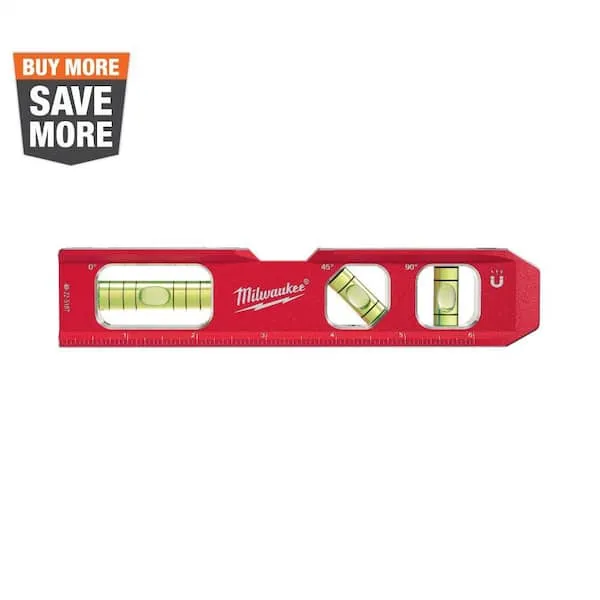
Level

EVERMARK Stair Parts 2-3/4 in. x 2-1/16 in. Black Aluminum Alloy Heavy Duty Wall Rail Mounting Bracket 9100I-601-HDBKD
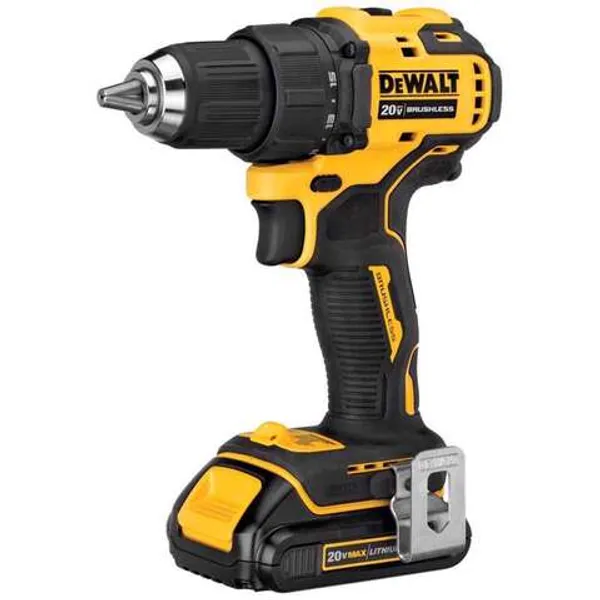
Drill
DEWALT 1-1/2 in. Stud Finder DW0150
This Center Sensor Stud Finder has a detection depth of 1-1/2 in. for wood and metal. Traditional stud sensors locate the edge of the stud, but our new product locates the center for a more efficient read, even when held at an angle. Plus, it is constantly calibrating to save time during use. An audible alert and directional LED arrows clearly notify you once the stud is located and you can easily mark the center of the stud with the center marking channel.
Pencil
Marks and draws with ease.
Measuring Tape
For accurate measurements of plywood and components, ensuring proper assembly.
Level
Ensures surfaces are just right.
EVERMARK Stair Parts 2-3/4 in. x 2-1/16 in. Black Aluminum Alloy Heavy Duty Wall Rail Mounting Bracket 9100I-601-HDBKD
The EVERMARK 2-1/2 in. x 3-1/8 in. Matte Black Aluminum Alloy Heavy-Duty Wall Rail Mounting Bracket for stairs is strong and reliable, with a simple satin-black steel design. This staircase wall to rail
Drill
A power tool used for drilling holes in various materials.
Steps

Locate Wall Studs
20 minutesBegin by using a reliable stud finder to scan the plaster wall in the area where the handrail will be installed. Once a stud is detected, mark its vertical center. Repeat this process for all studs that will be used to support the handrail. It is crucial to identify the precise center of the studs to ensure the mounting brackets are anchored into the strongest part of the framing. After locating the studs, mark the desired height for the handrail at each stud location. A common height is 34 to 38 inches from the floor, but this can be adjusted for accessibility needs. Ensure these height marks are level across all stud locations.
Watch: Locate and Mark Studs for Brackets
Mark Bracket Positions
15 minutesHold the handrail itself or one of its mounting brackets against the wall at the pre-marked height on a stud. Use a level to ensure the bracket is perfectly horizontal. Mark the locations of the screw holes on the wall through the corresponding holes in the bracket. Repeat this process for all necessary bracket locations, ensuring consistent spacing and alignment with the studs. If installing a continuous handrail, ensure the brackets align with the handrail's pre-drilled holes or mounting points.
Watch: Install Handrail Brackets (Wood Studs)
Drill Pilot Holes
20 minutesSelect a drill bit that is slightly smaller than the diameter of the screws you will be using. For plaster walls, it's often beneficial to use a masonry bit to create clean holes and prevent chipping. Drill pilot holes at each of the marked screw locations on the wall. The depth of the pilot hole should be sufficient to allow the screw to penetrate fully into the wall stud. If you are not drilling directly into a stud or if the stud is shallow, you may need to use appropriate plaster anchors for added support, in which case you would drill a larger hole suitable for the anchor.
Watch: Check for Studs and Drill Pilot Holes (Stud Scenario)Mount Handrail Brackets
25 minutesAlign each handrail bracket with its corresponding pilot holes on the wall. Insert the appropriate mounting screws (typically lag screws designed for wood or heavy-duty screws with anchors) into the bracket holes. Using a drill or a screwdriver, drive the screws firmly into the pilot holes. Ensure each bracket is mounted securely and does not wobble. If using anchors, ensure they are properly seated before driving the screws. Check the stability of each bracket by applying firm pressure.
Watch: Install Handrail Brackets (Wood Studs)Attach Handrail to Brackets
20 minutesCarefully place the handrail onto the secured brackets. Align the handrail with the mounting points on each bracket. Most handrails come with specific hardware for attachment, often screws that go through the bracket into the underside or side of the handrail. Use the appropriate screwdriver or drill to fasten the handrail to each bracket. Ensure all connections are tight and the handrail feels solid and secure. Check for any looseness or rattling.
Watch: Attach Handrail to BracketsFrequently Asked Questions
Why is it often difficult to find studs in a plaster and lath wall for handrail installation?
Traditional stud finders can struggle with the varying density of plaster and lath. Electromagnetic stud finders or those with deep scan modes often work better. You can also try the 'knock test' to listen for solid areas, then confirm stud locations by carefully drilling small pilot holes to feel for wood.
What should I do if a handrail bracket doesn't align directly with a wall stud?
For safety and stability, handrail brackets must be securely anchored into wall studs. If a bracket doesn't align, try adjusting its position slightly to hit a stud. If that's not possible, you may need to install solid wood blocking between studs inside the wall for a secure mounting point, which is a more advanced technique. Never rely solely on plaster anchors for primary handrail support.
What is the standard or recommended height for installing a handrail?
Most building codes recommend a handrail height between 34 and 38 inches, measured vertically from the nose of the stair tread or the finished floor. Use a measuring tape and a level to mark a consistent height along the entire run of your staircase for comfort and safety.
How can I prevent cracking or damaging the plaster wall when drilling pilot holes?
To minimize plaster damage, use a sharp masonry drill bit and start with a smaller pilot hole, gradually increasing the size if needed. Apply firm, steady pressure without forcing the drill. Placing painter's tape over your marked drilling spots can also help prevent chipping around the hole.
What are the most important safety precautions I should take during this project?
Always wear safety glasses to protect your eyes from plaster dust and debris. Before drilling, use a stud finder with AC detection to check for electrical wires or plumbing pipes within the wall. Ensure all brackets are firmly secured into structural elements (studs) to prevent the handrail from failing under weight.
Is this project genuinely beginner-friendly, and is the 4-hour time estimate realistic?
Yes, this project is considered beginner-friendly as the steps are straightforward, but it requires patience and precision. The 4-hour estimate is achievable if you have the right tools and can easily locate studs. Allow extra time for careful measurements, stud finding in plaster, and any unexpected troubleshooting.