How to Install a Door Stop to Protect a Stair Landing Wall
About This Project
Install a door stop to prevent a door from damaging a stair landing wall.
Tools & Materials
Pencil
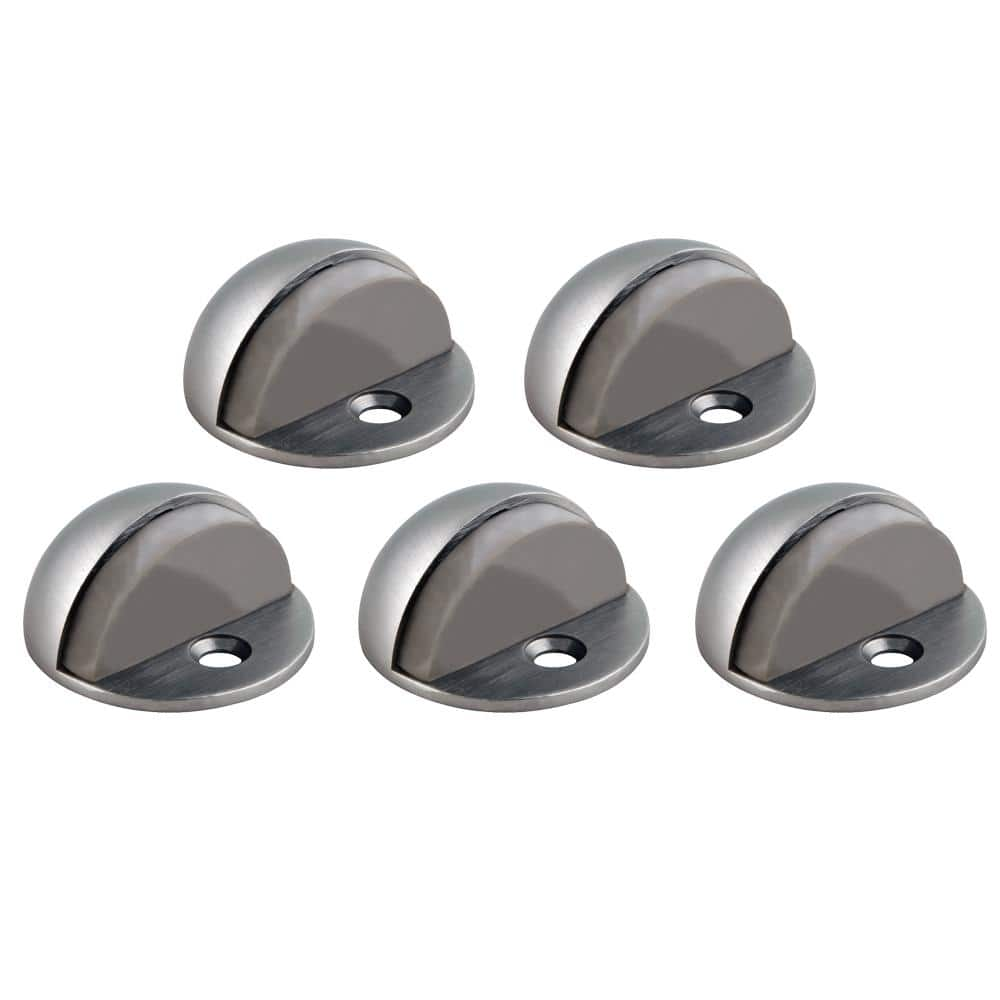
Design House Satin Nickel Dome Door Stop (5-Pack) 181883
Drill
Drill Bits

Everbilt Satin Chrome Wall Door Stop 28407
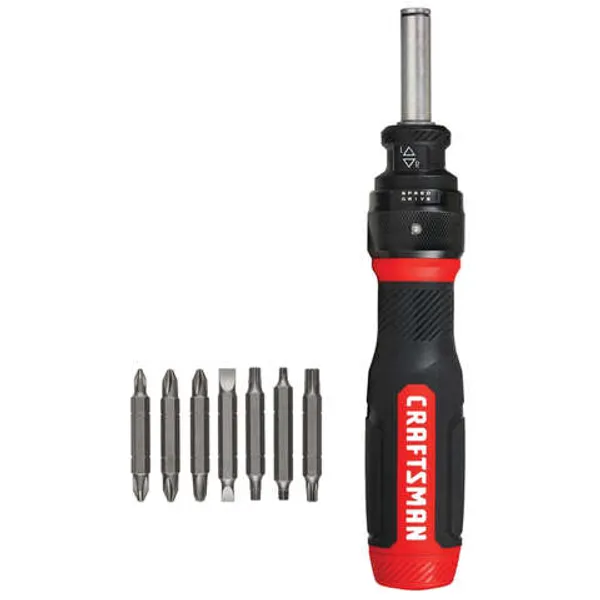
Screwdriver
Pencil
Marks and draws with ease.
Design House Satin Nickel Dome Door Stop (5-Pack) 181883
The Design House Floor Mounted Dome heavy-duty door stoppers come in a 5-pack for ultimate value. These dome door stops are made of zinc in a sleek satin nickel finish to match your door hardware. These
Drill
A power tool used for drilling holes in various materials.
Drill Bits
Various sizes for different drilling tasks, including making holes for screws and latches.
Everbilt Satin Chrome Wall Door Stop 28407
The Everbilt Commercial Grade Wall Doorstop helps prevent doorknob damage to wall when opening a door. It covers minor damage and marks on walls. Easy to install.
Screwdriver
A tool used to turn screws.
Steps

Mark Door Stop Location
5 minutesOpen the door to the desired position where it would hit the wall. Hold the door stop against the wall at the top edge of the door, ensuring it's flush with the top of the door. Use a pencil to mark the center of the door stop's mounting hole onto the wall.
Watch: Mark Door Stopper Position

Attach Door Stop
5 minutesAlign the door stop over the pilot hole. Insert the screw through the door stop's mounting hole and into the pilot hole in the wall. Tighten the screw using a screwdriver until the door stop is firmly secured against the wall. Do not overtighten, as this can strip the drywall anchor or crack the wall.
Watch: Attach Spring Doorstop to Wall
Frequently Asked Questions
What kind of drill bit should I use for installing a door stop into drywall or a baseboard?
You'll typically need a small pilot bit, usually around 1/16th or 3/32nd of an inch, to create a starter hole for the screw. If drilling into a wall stud for extra stability, ensure the pilot hole is slightly smaller than the screw's diameter to allow the threads to grip firmly. Always use a drill bit appropriate for the material you're drilling into.
What safety precautions should I take when drilling into a wall for a door stop?
Before drilling, use a stud finder to locate any electrical wires or plumbing pipes behind the wall, especially if drilling into a wall stud. If you're unsure, drill only into the baseboard where it's less likely to hit utilities. Always wear safety glasses to protect your eyes from dust and debris during drilling.
Is installing a door stop truly a beginner-friendly project, and can it be completed within the estimated 2 hours?
Yes, installing a door stop is very beginner-friendly and can often be completed in under 30 minutes, well within the 2-hour estimate. The main tasks involve marking, drilling a pilot hole, and screwing in the stop, which are straightforward. The estimated time likely accounts for gathering tools and materials.
How do I choose the right type of door stop for a stair landing wall?
For a wall, you can use a baseboard-mounted spring door stop, a dome door stop, or a wall-mounted stop with a rubber bumper. Spring stops are common and flexible, dome stops offer a more solid impact point, and wall-mounted stops provide direct wall protection. Consider the door's swing path and the aesthetics of your landing when choosing.
What's the best way to mark the precise location for the door stop on the wall or baseboard?
Open the door fully to its intended maximum swing, ensuring it won't hit the wall. You can temporarily tape a small piece of painter's tape or a small block to the floor where the edge of the door knob or door itself would make contact. Then, gently swing the door until it touches this point, and mark the exact contact spot with a pencil where the door stop will be installed.
What should I do if the door stop screw doesn't seem to hold securely in the wall?
If the screw isn't holding firmly, you might be drilling into drywall without a stud behind it. For better stability, try to reposition the door stop to screw directly into a wall stud if possible. If not, use a drywall anchor (like a plastic expansion anchor or a self-drilling anchor) rated for impact to provide a secure mounting point for the door stop screw.