How to Fix a Snag or Pulled Loop in Carpet
About This Project
A high-level outline for repairing a snag or pulled loop in carpet.
Tools & Materials
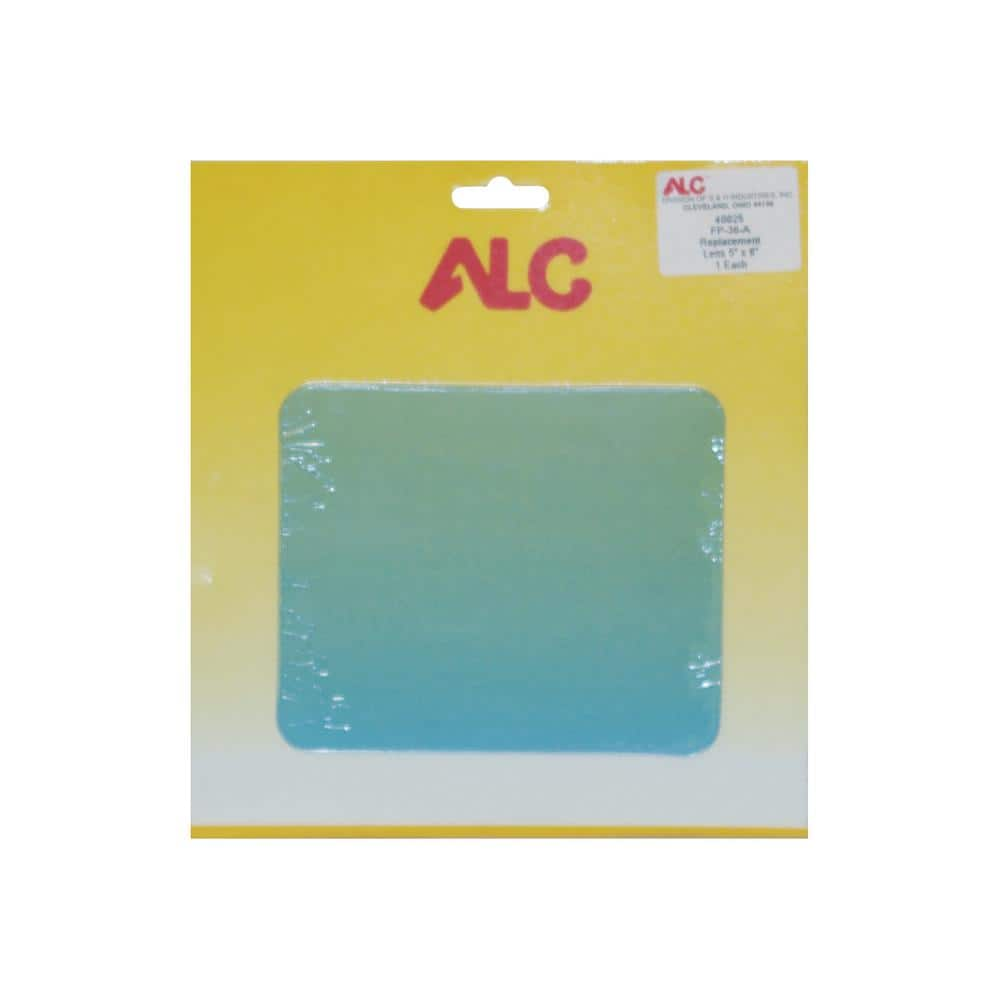
ALC 5 in. x 6 in. Replacement Lens 40025
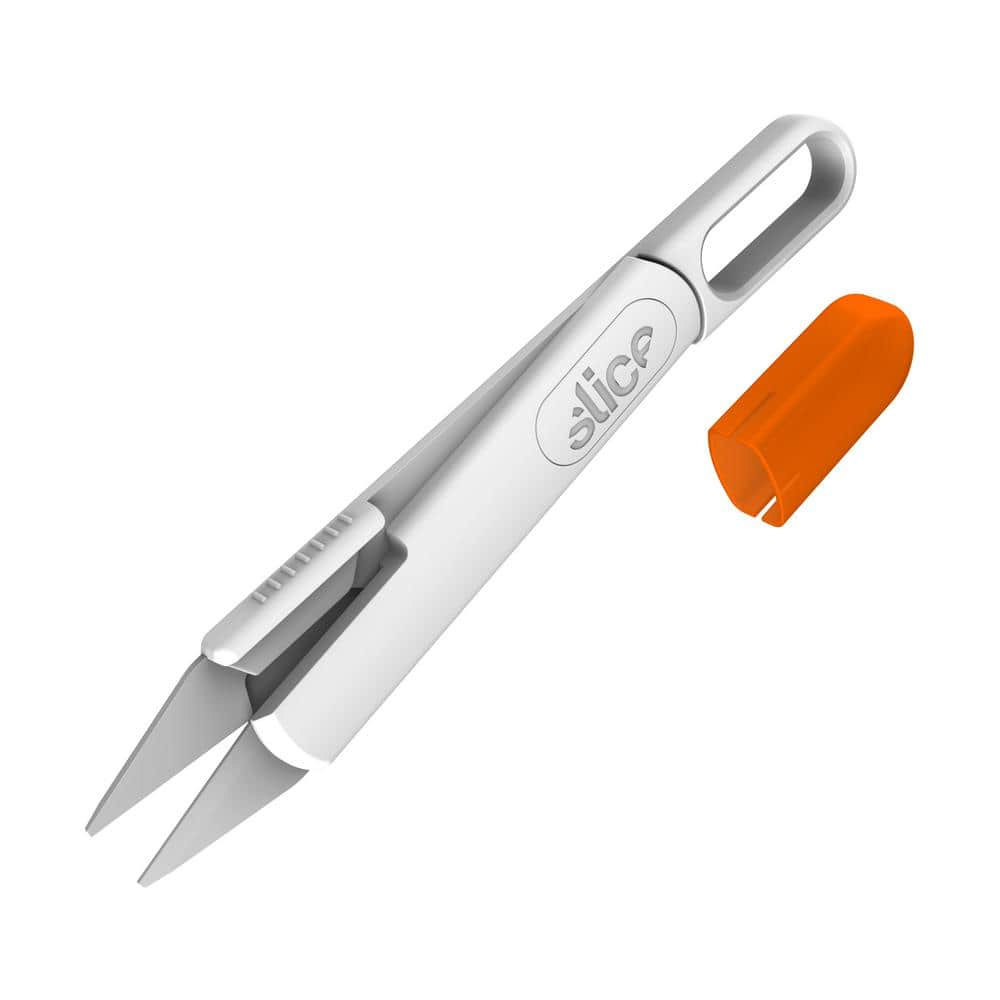
Slice Self-Opening Scissors (Pack of 6) 10595
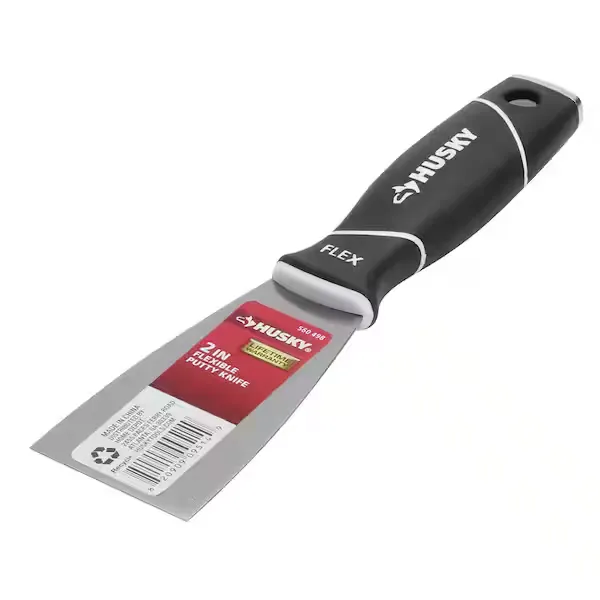
Putty knife

TrafficMaster Viking - Stingray - Gray 12 ft. Wide x Cut to Length 13 oz. Olefin Loop Carpet 45862
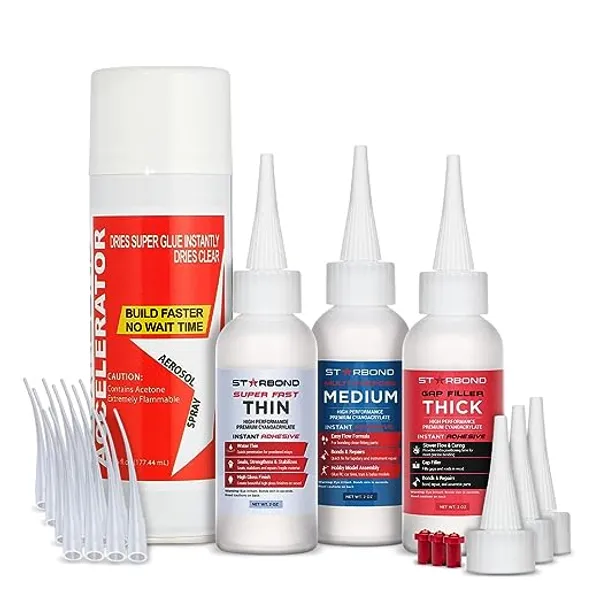
Adhesive
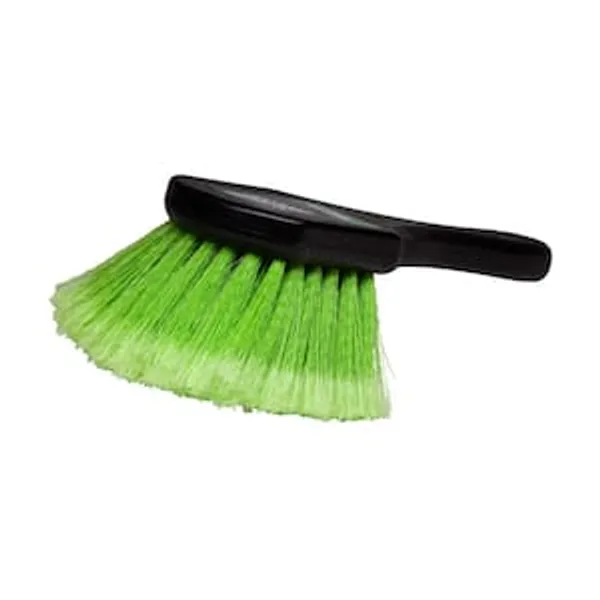
Soft Scrub Brush
ALC 5 in. x 6 in. Replacement Lens 40025
Standard hood lens, 5 in x 6 in. Made of plexiglass. This lens fits all ALC hoods except for 40339.
Slice Self-Opening Scissors (Pack of 6) 10595
Designed especially for industrial tailors and fibre artists, these scissors are ideal for trimming thread and yarn. Their blades stay open by default, lowering the muscle effort needed to make each snip.
Putty knife
Spreads putty with its flat blade.
TrafficMaster Viking - Stingray - Gray 12 ft. Wide x Cut to Length 13 oz. Olefin Loop Carpet 45862
The Viking Carpet is a multi-tonal level loop carpet for playrooms, basements, garages and more. A great value carpet for all your basic residential flooring needs. It's manufactured with 100% Olefin fiber which is inherently stain resistant. This carpet is a great way to quickly and easily change the look of your floor without spending a lot of money. It's available in several colors to suite most needs. Covered by TrafficMASTER Warranty: 5-year limited stain and soil warranty, 5-year limited wear and tear warranty.
Adhesive
A strong adhesive used for bonding wood pieces temporarily in the tabletop design process.
Soft Scrub Brush
Gentle cleaning with soft bristles.
Steps


Prepare the Carpet Backing
10 minutesUsing a thin, flat tool like a putty knife or a butter knife, carefully lift the carpet fibers around the snag. Apply a small bead of strong fabric or carpet adhesive directly onto the carpet backing where the loops are pulled or cut. This will help to re-secure the backing and provide a base for re-attaching the loops.
Watch: Inspect Damage and Apply AdhesiveRe-secure Pulled Loops
20 minutesThread a carpet needle with a strong, color-matched thread. Carefully push the needle up through the carpet backing and into the base of a pulled or cut loop. Then, push the needle back down through the backing, anchoring the loop. Repeat this process, working methodically to secure all affected loops. If matching thread is unavailable, clear nylon thread can sometimes work.
Watch: Reinsert and Glue LoopApply Carpet Adhesive
10 minutesOnce the loops are re-secured with thread, apply another thin bead of carpet adhesive along the base of the repaired loops, directly onto the carpet backing. This provides an extra layer of security and helps to stiffen the area slightly, making it more durable.
Watch: Apply Carpet Seam Adhesive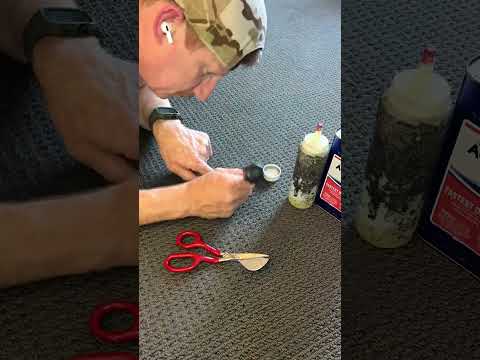
Frequently Asked Questions
Do I need special scissors to trim the snag, or will any sharp pair work?
While any sharp scissors can technically work, precise trimming is key to a good repair. Specialty tools like self-opening scissors allow for delicate cuts, helping you avoid over-trimming or damaging adjacent carpet fibers. A clean, controlled cut helps prevent further fraying and ensures a seamless blend.
What kind of adhesive is best for re-securing carpet loops?
You should use a flexible, clear-drying carpet adhesive or a latex-based glue specifically designed for fabrics and carpets. Avoid using super glues or construction adhesives, as these can make the carpet stiff, brittle, and create a visible, hard spot. Apply adhesive sparingly to prevent over-saturation.
What if I accidentally cut the loop too short, or it keeps pulling out after I fix it?
If you cut a loop too short, it can be challenging to re-secure. Try gently pulling a tiny bit of slack from the surrounding fibers to buy some length. If the loop keeps pulling out, ensure you've applied enough adhesive to the base of the loop and allowed it ample time to cure completely before any traffic or cleaning.
Is this project genuinely beginner-friendly, and how long does it typically take?
Yes, fixing a simple carpet snag or pulled loop is considered a beginner-level DIY task. For most small repairs, the active work takes about 15-30 minutes. You will also need to factor in drying time for the adhesive, which can range from a few hours to overnight, depending on the product and humidity.
Are there any safety precautions I should take when using carpet adhesive?
Yes, safety first! Always work in a well-ventilated area to avoid inhaling adhesive fumes, as some products can be strong. Consider wearing gloves to protect your skin from direct contact with the adhesive. Always read and follow the specific safety instructions provided by the adhesive manufacturer.