How to Clean Mildew and Algae Off Outdoor Steps
About This Project
Outline for cleaning mildew and algae off outdoor steps using safe and effective methods.
Tools & Materials
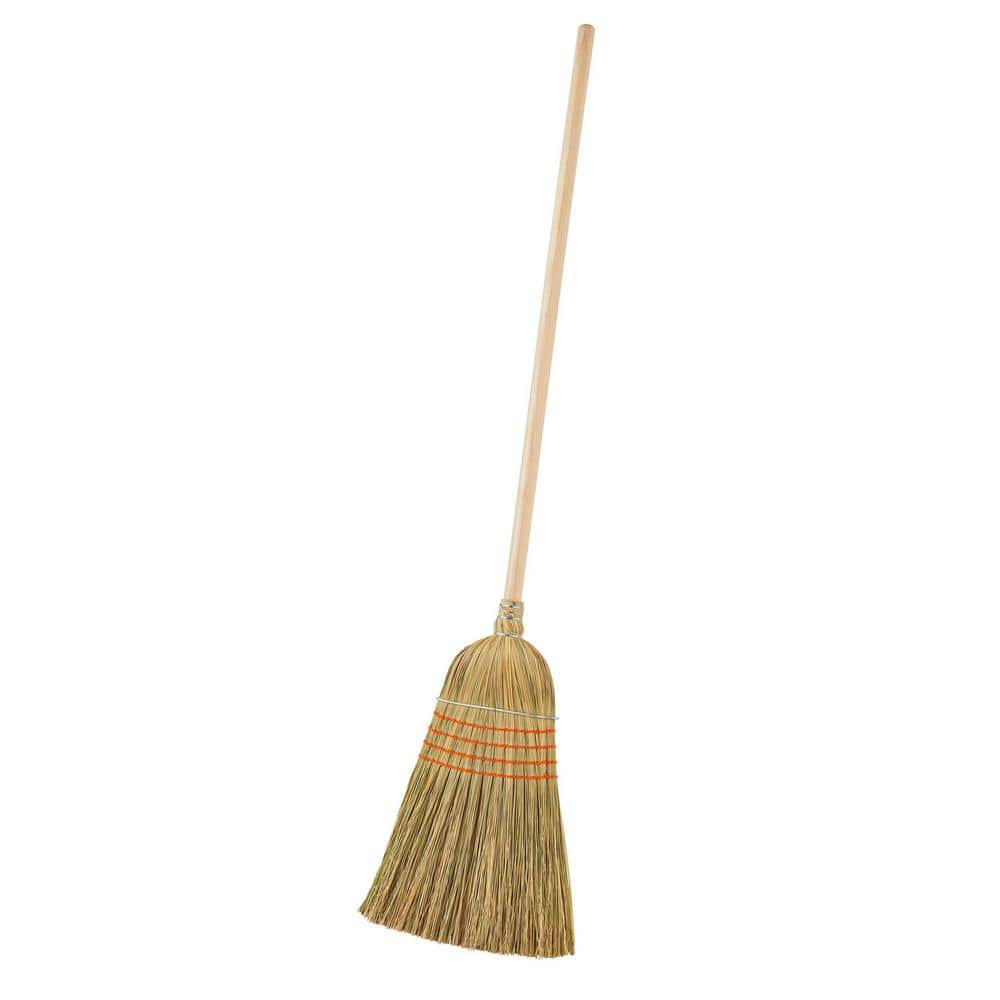
HDX Giant Commercial Corn Broom 750
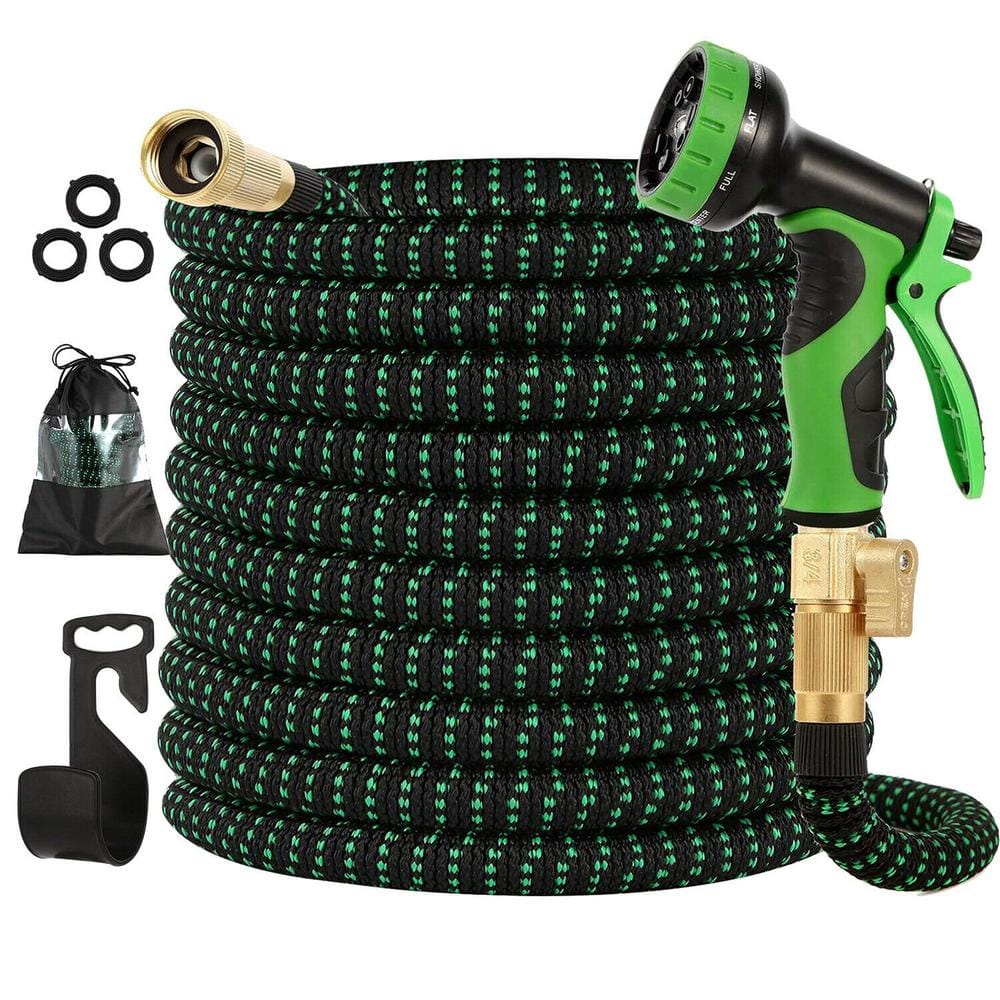
WeGuard 100 ft. Flexible Water Hose with 10 Function Nozzle Garden Water Hose Expandable Garden Hose 293000012

Watering Can
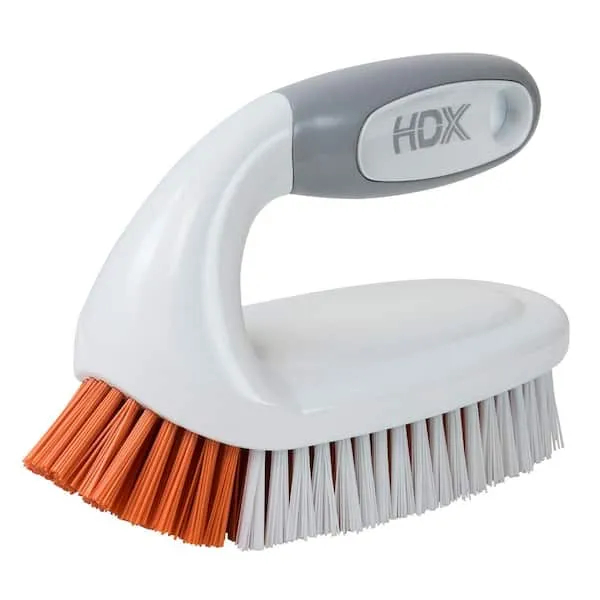
Scrub Brush
HDX Giant Commercial Corn Broom 750
This Giant Commercial Corn Broom is a premium, heavy-duty corn broom with exceptional fiber weight that picks up dirt and dust effectively. It offers an extra wide 15 in. sweep path, creating a larger
WeGuard 100 ft. Flexible Water Hose with 10 Function Nozzle Garden Water Hose Expandable Garden Hose 293000012
A Retractable hose suitable for multiple purpose: 100 ft. Garden hose, 1x Water Hose Nozzle, 1x Hose Hanger, 1x Storage Bag, 3 x Spare Sealing Rings. easy to store on the provided hanger or in the custom
Watering Can
Waters plants with a gentle pour.
Scrub Brush
Tackles tough stains with stiff bristles.
Steps


Apply cleaning solution
10 minutesPrepare your chosen cleaning solution according to the manufacturer's instructions. This could be a commercial mildew remover, a diluted bleach solution (e.g., 1 part bleach to 10 parts water), or a solution of white vinegar and water (e.g., 1:1 ratio). Apply the solution generously to the wet steps using a garden sprayer, watering can, or a brush, ensuring complete coverage.
Watch: Apply Cleaning Solutions to Hard Surfaces
Scrub the steps
15 minutesAllow the cleaning solution to sit on the steps for the recommended time (usually 10-15 minutes, or as per product instructions) to allow it to penetrate and break down the mildew and algae. Then, use a stiff-bristled brush or a scrub brush to vigorously scrub all affected areas. Pay special attention to grout lines, crevices, and heavily stained spots.
Watch: Rinse and Scrub Treated Areas
Rinse thoroughly
5 minutesOnce you have finished scrubbing, use the garden hose to rinse the steps thoroughly. Ensure all traces of the cleaning solution and the dislodged mildew and algae are washed away. Rinse from top to bottom, making sure water flows away from the steps and does not pool.
Watch: Rinse ThoroughlyInspect and repeat if necessary
10 minutesAfter rinsing, carefully inspect the steps to check if all mildew and algae have been removed. If some areas still show signs of staining or growth, apply the cleaning solution again to those specific spots and repeat the scrubbing and rinsing process. For particularly stubborn stains, a second application may be required.
Watch: Rinse and Scrub Treated Areas
Frequently Asked Questions
What kind of cleaning solution is best for mildew and algae on outdoor steps?
For a safe and effective option, a mixture of warm water and oxygen bleach (sodium percarbonate) is often recommended, as it's less harsh than chlorine bleach. Alternatively, a commercial outdoor cleaner specifically formulated for mildew and algae can be used. Always read product labels carefully and test in an inconspicuous area first to ensure it won't damage your step material.
Do I need any special safety gear for this project?
Yes, protecting yourself is important. Wear waterproof gloves to shield your hands from the cleaning solution and mildew. Eye protection, such as safety glasses, is also highly recommended to prevent splashes, especially when scrubbing vigorously. If using a strong cleaner, consider a mask for respiratory protection.
Can I use a pressure washer instead of a scrub brush and hose?
While a pressure washer can be effective, it should be used with caution. High pressure can damage certain step materials like wood, softer stone, or old mortar, and can also strip sealants. If using one, start with a low-pressure setting and keep the nozzle moving to avoid concentrated damage. For most steps, a hose and a good scrub brush are sufficient and safer.
What if the mildew and algae are stubborn and don't come off easily?
For persistent stains, you may need to let the cleaning solution dwell on the surface a bit longer before scrubbing, typically 10-15 minutes. Ensure the surface remains wet with the solution during this time, reapply if it starts to dry. You might also need to apply a second treatment and scrub more vigorously with a stiff-bristled brush.
How can I prevent mildew and algae from returning quickly after cleaning?
After cleaning, consider applying an outdoor sealer appropriate for your step material to create a protective barrier. Regularly sweep debris and ensure proper drainage around the steps to reduce moisture. Trimming nearby plants that cast excessive shade can also help by increasing sunlight exposure, which inhibits growth.
Is this project really beginner-friendly and achievable in 4 hours?
Yes, this project is very beginner-friendly as it requires no special skills or complex tools. The 4-hour estimate accounts for thorough sweeping, initial rinsing, applying the solution, allowing dwell time, detailed scrubbing, and multiple rinses. The actual time can vary based on the size of your steps and the severity of the mildew and algae.