

Carpet Stair Covers
About This Project
Are you ready to transform your staircase into a safer, more stylish centerpiece of your home? Achieving that professional, custom-made look starts with one simple but crucial step: accurate measurements. This easy DIY guide will walk you through how to measure your stairs perfectly, ensuring your new treads fit flawlessly and provide the peace of mind your family deserves.
Tools & Materials
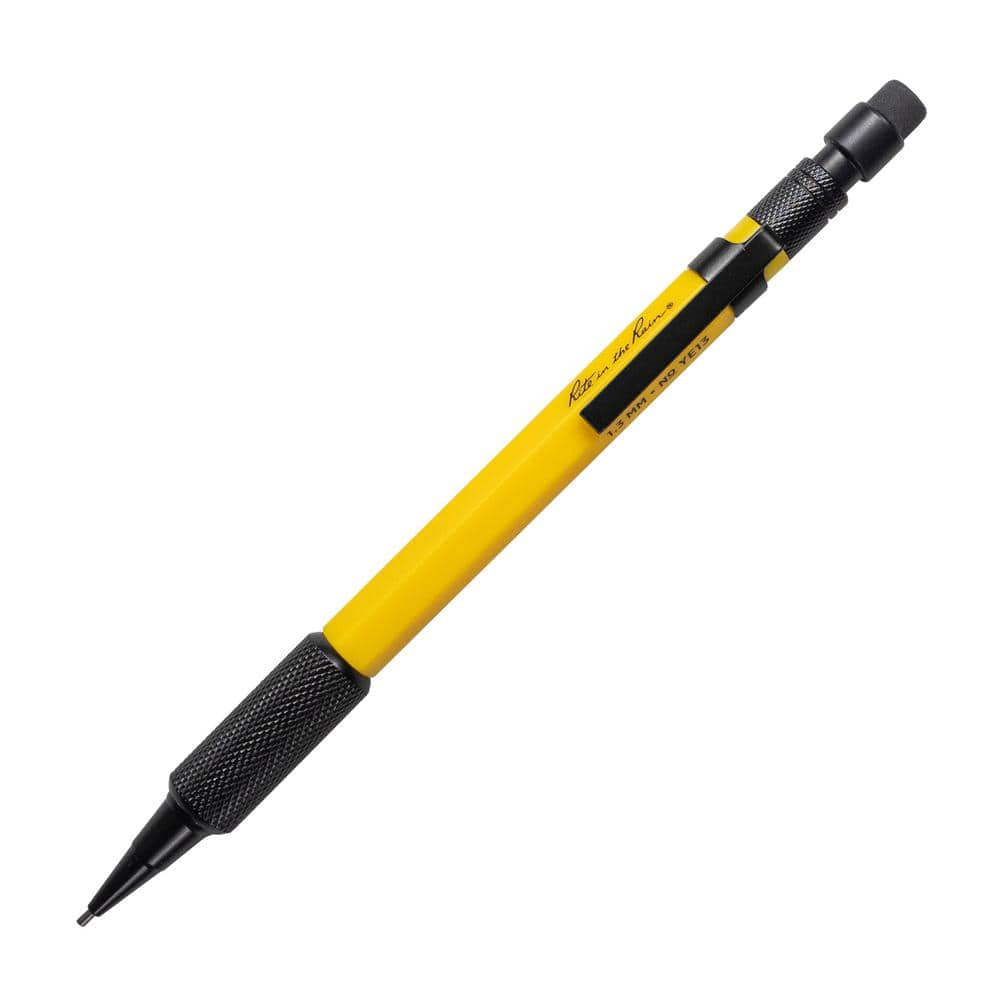
Rite in the Rain 1.3 mm Black Lead Weatherproof Mechanical Pencil, Yellow Barrel YE13

Rite in the Rain All-Weather 8-1/2 in. x 11 in. 100 lbs. Printer Paper, White (250-Sheet Pack) 1008511
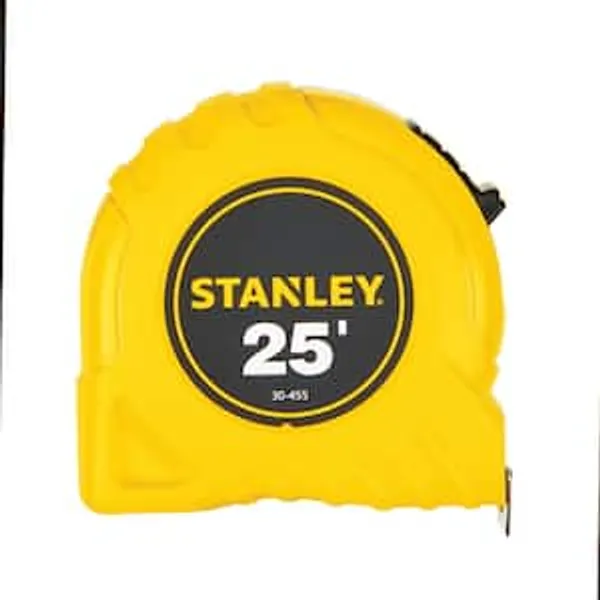
25 ft. Tape Measure
Rite in the Rain 1.3 mm Black Lead Weatherproof Mechanical Pencil, Yellow Barrel YE13
Do you prefer using pencils but fear they'll break when it matters most when out taking job notes. You're not alone. The Rite in the Rain Mechanical Pencil may well be the last pencil you'll ever need
Rite in the Rain All-Weather 8-1/2 in. x 11 in. 100 lbs. Printer Paper, White (250-Sheet Pack) 1008511
Copy or laser print your own all-weather forms, charts, maps and worksheets on patented 8-1/2 in. x 11 in. Rite in the Rain all weather copier paper. Now you can have the convenience of using your existing
25 ft. Tape Measure
Measure with precision and ease.
Steps

Count Each Step You Plan to Cover
5 minutesTo begin your easy DIY stair remodel, simply count each individual stair step you walk on. Don't forget to include any landings you wish to cover! This simple count is the first step to ensuring you have the right quantity of treads for a beautiful, seamless installation.
Watch: Repeat Measurement and Cutting for All Stairs
Measure Tread Depth (Front to Back)
10 minutesFor a perfect fit, accuracy is key. Place your tape measure at the very front edge of the step (this is often called the 'bullnose') and measure straight back until you touch the vertical panel (the 'riser'). Taking this measurement ensures your new tread will cover the main walking surface, providing maximum safety and comfort.
Watch: Measure and Cut New Treads
Measure Stair Width (Side to Side)
5 minutesMeasure the full width of your walking surface from one side to the other. This measurement helps you determine how much of your beautiful wood you'd like to leave exposed on either side of your new carpet tread, which we'll decide in the next step.
Watch: Measure and Cut Carpet Tread
Choose Your 'Reveal' (Exposed Wood)
5 minutesThis is where your personal style comes in! The 'reveal' is the space between the edge of the carpet tread and the edge of your stair. For example, if your stair is 36 inches wide and you want a 1-inch reveal on each side, you would subtract 2 inches total, meaning a 34-inch wide tread is your perfect fit. This design choice beautifully frames your treads and highlights the warmth of your wooden stairs.
Watch: Construct Wood Tray for Carpet Inlay on TreadsFrequently Asked Questions
What are the most common mistakes people make when measuring for carpet stair covers?
The biggest mistakes include not measuring each step individually, assuming all steps are uniform, and forgetting to account for the 'reveal' (exposed wood). Inaccurate measurements can lead to ill-fitting treads that look unprofessional or don't provide proper coverage.
Are there any specific safety precautions I should take while measuring my stairs?
Yes, always prioritize safety. Ensure the staircase is clear of any clutter or tripping hazards. Wear non-slip shoes and use a stable step stool or ladder if you need to reach higher steps or get a better angle. Take your time and avoid rushing to prevent slips or falls.
Why is 'choosing your reveal' an important step when measuring for stair covers?
The 'reveal' refers to the amount of wood you leave exposed around the carpet tread on each step. It's crucial for aesthetics, as it creates a clean, consistent border and prevents the carpet from looking like it's jammed against the riser. A consistent reveal gives a custom, professional finish to your staircase.
My stairs aren't perfectly uniform; some steps vary slightly in width or depth. How should I handle this?
It's common for stairs to have slight variations. To ensure a perfect fit, measure each step individually for both width and depth. When cutting your carpet treads, use the widest and deepest measurements you recorded for each respective dimension to ensure full coverage, or average very slight variations if you're comfortable with minimal gaps.
Besides a tape measure and pencil, are there any other tools that would make this measuring process easier or more accurate?
While the listed tools are sufficient, a carpenter's square can help ensure your measuring lines are perfectly perpendicular, especially for tread depth against the riser. A clip-on measuring stop for your tape measure can also aid in consistent measurements, and a dedicated notepad (like the all-weather paper) keeps your data organized.
Is this project truly 'beginner' level, and can it really be completed in 2 hours?
Yes, the measuring phase of this project is definitely beginner-friendly, requiring careful attention to detail rather than complex skills. The 2-hour estimate is reasonable for measuring a typical staircase. However, if your stairs have unique turns, numerous steps, or intricate designs, allow extra time to ensure accuracy.
Why is 'all-weather printer paper' listed as a material? Can I just use regular paper for my measurements?
While regular paper will work, all-weather paper is recommended for its durability. It resists tears, smudges, and moisture, which can be useful in a home improvement setting where spills or dusty hands are common. This ensures your critical measurements remain legible and accurate throughout the project, minimizing potential errors.