

Apply Finish to Stair Treads
About This Project
Are you looking to protect your beautiful wooden stairs and give them a professional, durable finish? This guide will walk you through applying an oil-based satin polyurethane to your oak treads, a crucial step to bring warmth and elegance to your home and prepare for a final layer of safety and style.
Steps

Step 1: Prep Your Treads for a Flawless Finish
20 minutesStart by wiping down each oak stair tread with a tack cloth to remove any lingering dust or debris. Next, give each tread a light sanding with 220-grit sandpaper. This step doesn't just smooth the wood; it also helps the polyurethane finish adhere properly for a long-lasting, durable coat. Once you're done sanding, use a fresh tack cloth to wipe away every last bit of dust.
Watch: Apply Polyurethane Finish to Treads
Step 2: Apply the First Coat with Care
15 minutesGrab your foam brush and apply a thin, even coat of the oil-based satin polyurethane to your first oak tread. Always brush in the same direction as the wood grain to achieve a seamless look. The goal is complete coverage without letting the finish pool or drip. A light touch is key—try to avoid over-brushing the area.
Watch: Applying First Coat of Polyurethane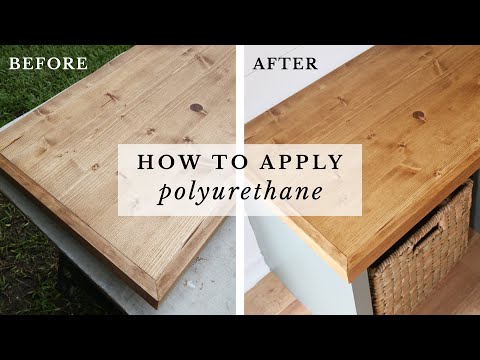
Step 3: Patience is a Virtue—Let It Dry
8 minutesGive the first coat of polyurethane plenty of time to dry. Drying time depends on the specific product, as well as the temperature and humidity in your home, but you can typically expect it to take between 6 and 12 hours. Safety is key, so resist the urge to rush! Ensure the surface is completely dry to the touch before you even think about starting the next step.
Watch: Dry, Sand, and Clean First Coat
Step 4: The Secret to a Silky-Smooth Finish
10 minutesAfter the first coat is fully dry, it's time for a very light sanding with 220-grit sandpaper. This may seem counterintuitive, but this is the secret to achieving that beautiful, smooth finish. It creates the perfect texture for the next coat to grab onto. Don't forget to wipe away all the fine dust with a tack cloth when you're finished.
Watch: Sand Between Coats
Step 5: Build Up Durability, Layer by Layer
45 minutesNow you're a pro! Apply a second thin, even coat of oil-based satin polyurethane using the same technique as before. Let it dry completely, then give it another light sanding with 220-grit paper and wipe it clean. We recommend at least a third coat for good protection, and a fourth is a great idea for high-traffic staircases, especially for families with children or pets.
Watch: Apply Third Coat
Step 6: The Final Cure for Long-Term Protection
168 minutesAfter your final coat, it's time to let the finish fully cure. While it might feel dry to the touch in a few hours, a full cure gives the finish its ultimate hardness and durability. This can take several days to a week. For your family's safety, avoid heavy foot traffic during this period. Once fully cured, your beautifully protected treads are ready to provide years of service and peace of mind.
Watch: Allow Finish to CureFrequently Asked Questions
What are the essential tools and materials for applying oil-based polyurethane to oak stair treads?
You'll need an oil-based satin polyurethane, a natural bristle brush or a foam applicator, fine-grit sandpaper (220-grit), tack cloth, mineral spirits for cleanup, and painter's tape to protect adjacent surfaces. Good ventilation and appropriate personal protective equipment like gloves and a respirator are also crucial.
What important safety precautions should I take when applying oil-based polyurethane indoors?
Ensure excellent ventilation by opening windows and using fans to direct fumes outside. Always wear an organic vapor respirator to protect your lungs from harmful fumes. Additionally, wear chemical-resistant gloves to prevent skin contact and dispose of oil-soaked rags properly by soaking in water and sealing in an airtight container to prevent spontaneous combustion.
The project estimates 4 hours; how long does the entire process, including drying and curing, really take for stair treads?
While the active application might take around 4 hours, the total project time is significantly longer due to drying and curing. Each coat of oil-based polyurethane needs 6-8 hours to dry before light sanding and recoating. The final coat requires at least 24-48 hours before light foot traffic and a full 7-10 days to fully cure for maximum durability.
How can I prevent common issues like bubbles, brush marks, or an uneven finish on my stair treads?
To avoid bubbles, apply thin, even coats and avoid overworking the polyurethane with your brush. For brush marks, use a high-quality natural bristle brush and apply in the direction of the wood grain, allowing the polyurethane to self-level. Sand lightly with fine-grit paper between coats to ensure adhesion and a smooth surface, always wiping with a tack cloth before applying the next coat.
Can I use a water-based polyurethane instead of oil-based for my stair treads, and what's the difference?
Yes, you can use water-based polyurethane, which dries faster, has less odor, and cleans up with water. However, oil-based polyurethane is generally more durable for high-traffic areas like stairs and offers a richer, ambering tone that some prefer for oak. Water-based options are typically clearer and don't yellow over time.
As a beginner, how challenging is it to achieve a professional-looking finish on stair treads?
Applying polyurethane can be moderately challenging for beginners to get a flawless finish, especially on vertical surfaces or edges. The key is thorough preparation, applying thin and even coats, sanding lightly between coats, and maintaining a dust-free environment. Patience during drying times and avoiding shortcuts will greatly improve your results.