How to Add a Dusk-To-Dawn or Timer Control to Stair Lights
About This Project
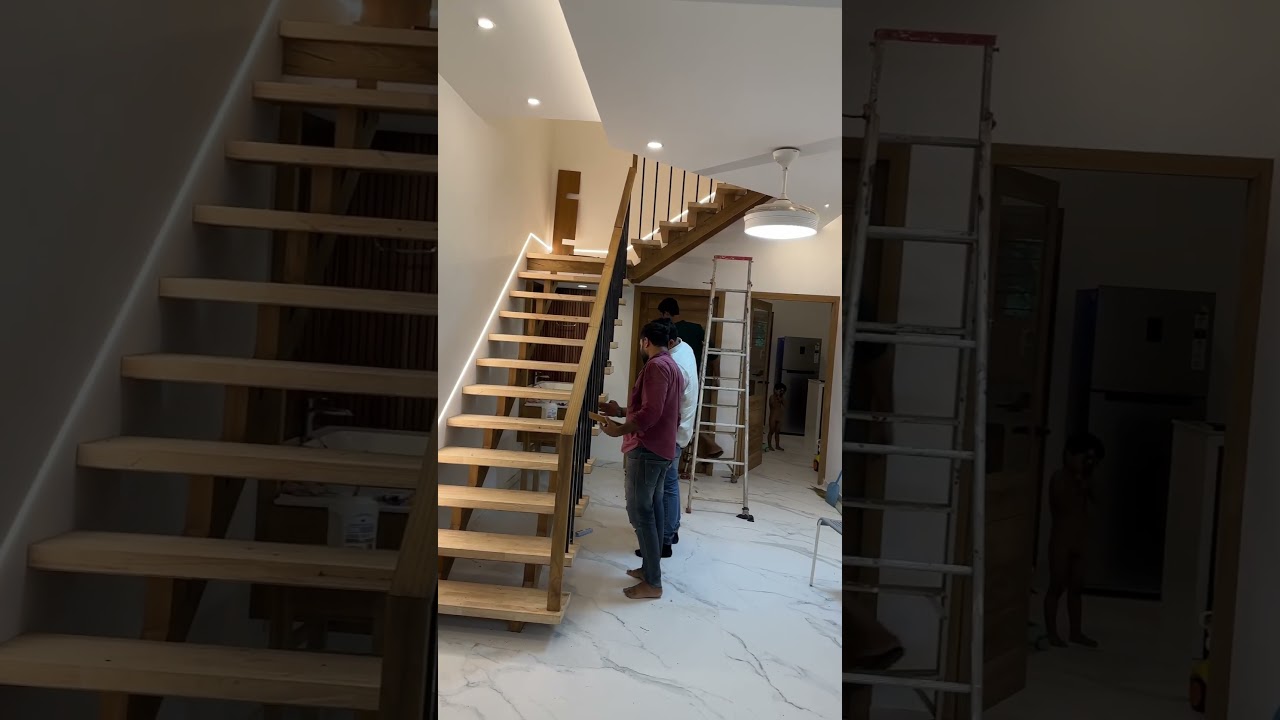
This project involves adding an automated control mechanism, such as a dusk-to-dawn sensor or a timer, to existing stair lights to provide convenient and energy-efficient illumination.
Tools & Materials
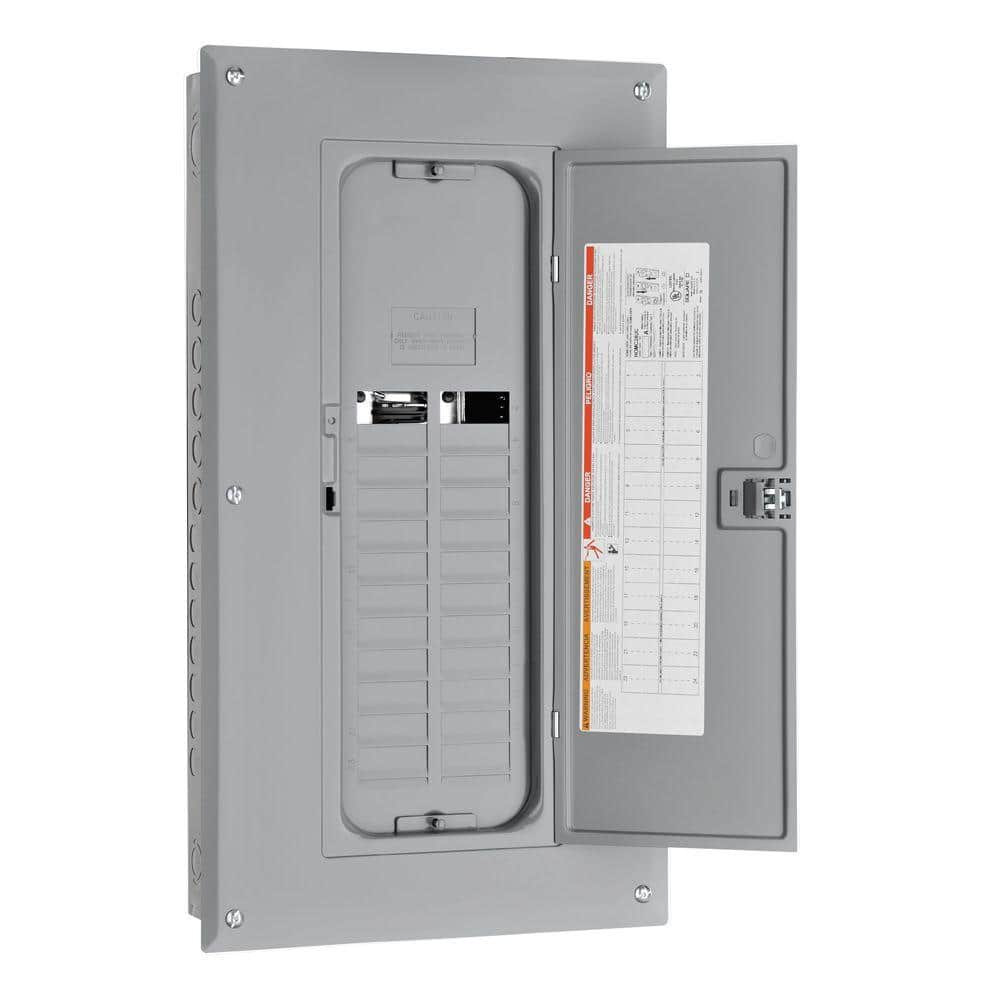
Square D Homeline 125 Amp 20-Space 40-Circuit Indoor Main Lug plug-on neutral Electrical Panel with Cover, Ground Bar HOM2040L125PGC
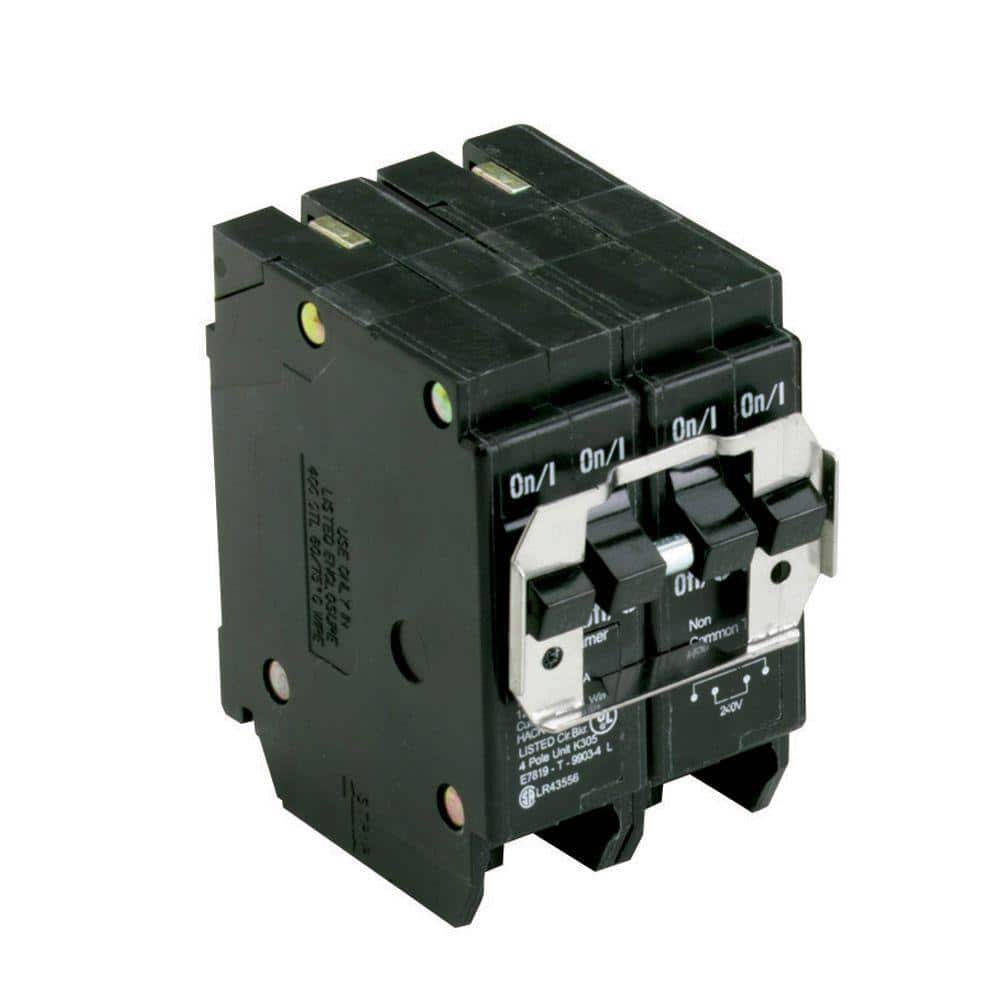
Eaton BR 1-20 Amp 2 Pole and 1-50 Amp 2 Pole BQC (Common Trip) Quad Circuit Breaker BQC220250

FLUKE 1AC-A1-II VoltAlert Non-Contact Voltage Tester 2432932

Wire Cutter or Stripper
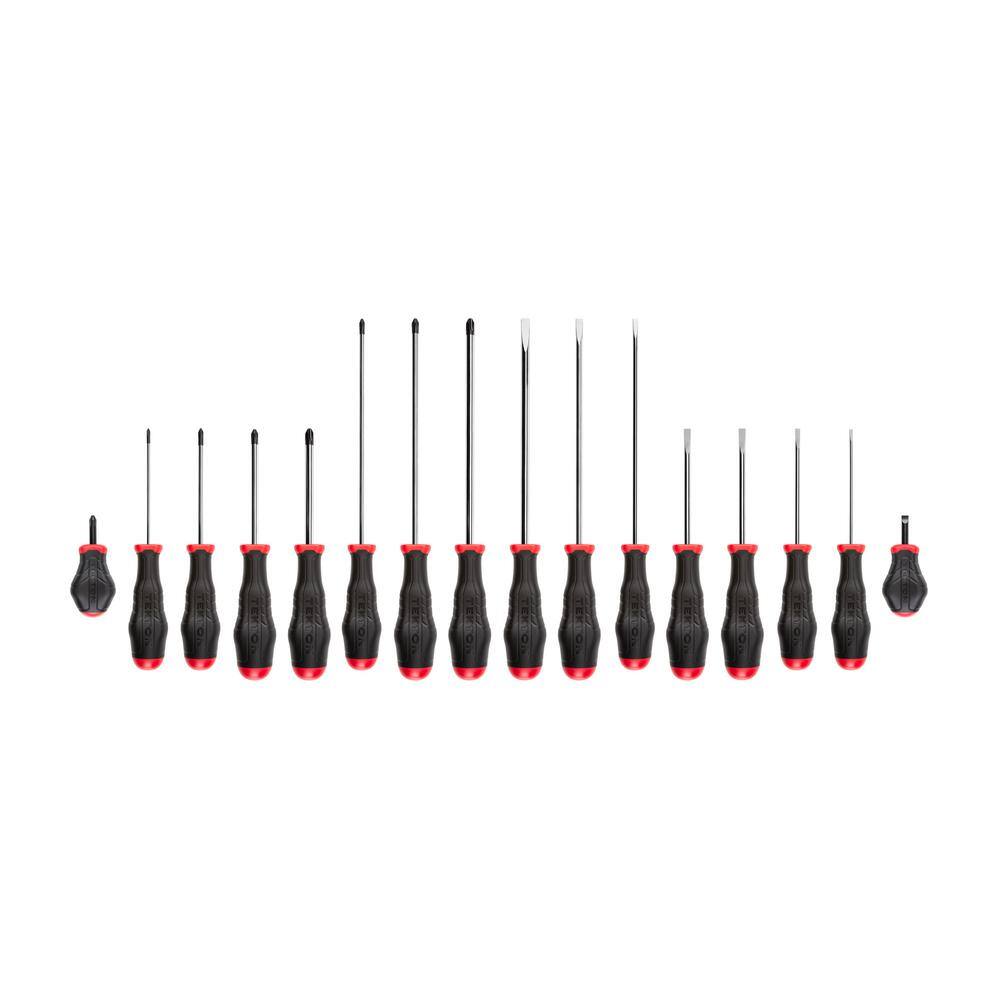
TEKTON High-Torque Screwdriver Set, 16-piece (#0-#3,1/8-5/16 in.) DRV45002

Pliers
Square D Homeline 125 Amp 20-Space 40-Circuit Indoor Main Lug plug-on neutral Electrical Panel with Cover, Ground Bar HOM2040L125PGC
The Square D Homeline 125 Amp 20-Space 40-Circuit Indoor Convertible Main Lugs Load Center with cover for Plug-on Neutral breakers includes a ground bar and is UL listed for residential and commercial
Eaton BR 1-20 Amp 2 Pole and 1-50 Amp 2 Pole BQC (Common Trip) Quad Circuit Breaker BQC220250
Circuit breakers protect the wires in your home from overheating (referred to as an overload) and fault currents (referred to as short circuits). The Eaton Cutler-Hammer Quadplex or Quad type Circuit Breaker is designed to create (4) circuits in (2) spaces. This allows for 240-Volt circuits. The BQC style breaker has a common trip as well as a rejection tab feature. These breakers are designed for use in BR type load centers and should be installed only in panel positions that have notched bus stabs that accommodate the rejection clip. Also, BQC circuit breakers are UL approved genuine replacement breakers for load centers made by Westinghouse, Challenger, and Bryant.
FLUKE 1AC-A1-II VoltAlert Non-Contact Voltage Tester 2432932
The portable 1 AC II non-contact voltage tester from Fluke are easy to use - just touch the tip to a terminal strip, outlet or supply cord. When the tip glows red and the unit beeps, you know there's voltage present. Electricians, maintenance, service, safety personnel and homeowners can quickly test for energized circuits in the workplace or at home and even detect miswires of an electrical outlet.
Wire Cutter or Stripper
Cuts or strips wire insulation.
TEKTON High-Torque Screwdriver Set, 16-piece (#0-#3,1/8-5/16 in.) DRV45002
Relying on three-sided geometry rather than the friction against your skin, the unique handles of the TEKTON High-Torque Screwdriver Set give you the leverage to generate more torque. Easy-to-read markings
Pliers
Grips and manipulates objects.
Steps

Turn Off Power
10 minutesLocate your main electrical panel. Identify the circuit breaker that controls the stair lights. Flip the breaker to the 'OFF' position. If you are unsure which breaker controls the lights, turn off the main breaker for the entire house. Use a non-contact voltage tester to confirm that power is indeed off at the light switch and fixture.
Watch: Turn Off Electrical Power
Install the Control Sensor/Timer
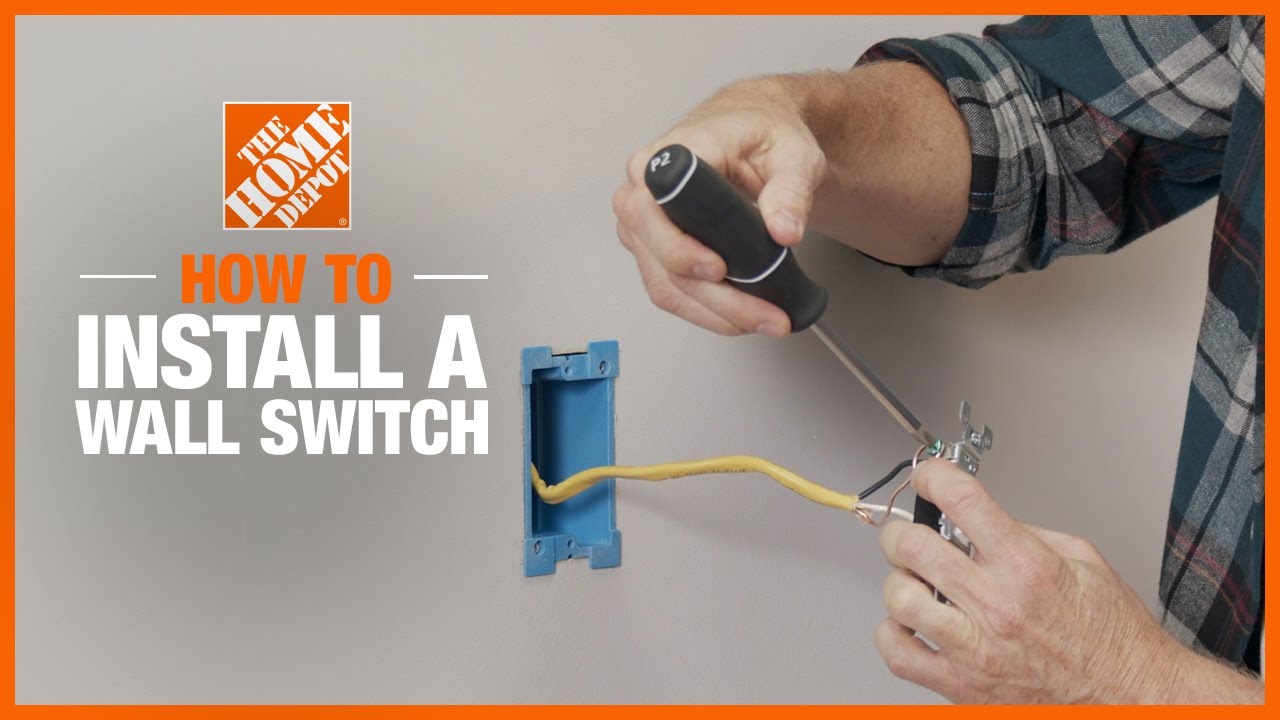
60 minutesDecide on the placement for your control device. For a dusk-to-dawn sensor, it should be positioned where it can accurately detect ambient light levels, typically near a window or exterior light source. For a timer, consider a location that is accessible for programming. Mount the device securely to a wall or junction box. Following the wiring diagram provided with the control device, connect the line (power in), load (power out to lights), and neutral wires. Ensure all connections are secure and made within an appropriate electrical box.
Watch: Wire the Sensor and Fixture
Connect Control Device to Stair Lights
45 minutesCarefully connect the 'load' or 'switched hot' wire from your control device to the wire that previously went directly to your stair lights (or the hot wire feeding your light switch if it's a switch-controlled system). Ensure a secure connection using wire nuts or appropriate connectors. If your control device requires a neutral connection and your existing wiring does not readily provide one at the device location, you may need to consult an electrician or run a new neutral wire.
Watch: Connect Switch Leg at Light FixtureTest the System
15 minutesOnce all connections are made and secured, and the control device is mounted, return to the main electrical panel and turn the circuit breaker back to the 'ON' position. For a dusk-to-dawn sensor, cover the sensor with an opaque material or wait until dusk to see if the lights turn on. For a timer, check if the lights turn on/off according to its programmed schedule. Manually override the system if possible to test both 'on' and 'off' states.
Watch: Restore Power and Test Sensor
Secure and Tidy Up
10 minutesDouble-check that the control device is firmly attached and that all wire connections are fully enclosed within their respective electrical boxes. Secure any cover plates or access panels. Dispose of any scrap materials and tools properly. Ensure the area around the stair lights and electrical panel is clear and safe.
Watch: Test and Finalize InstallationFrequently Asked Questions
Can I use both a dusk-to-dawn sensor and a timer, or do I have to choose one?
You typically choose one control method for this project: either a dusk-to-dawn sensor for automatic light activation based on ambient light, or a programmable timer for scheduled on/off times. While some advanced setups can integrate both, for a straightforward installation, select the option that best fits your preference for light control.
How difficult is this project for a beginner, and can it realistically be completed within 4 hours?
This project is considered beginner-friendly as it involves basic wiring connections, usually within an existing junction box. The 4-hour estimate is reasonable for someone with basic DIY skills, though it might take longer if you encounter unexpected wiring configurations or need to relocate components.
What should I do if my stair lights don't turn on after installing the new control device?
First, ensure the circuit breaker is switched back to the 'on' position. Then, carefully re-check all your wire connections within the junction box to ensure they are secure and correctly matched according to the device's instructions (e.g., line, load, neutral, ground). Loose wire nuts or incorrect wiring are common culprits.
Where is the best location to install a dusk-to-dawn sensor for optimal performance?
Install the dusk-to-dawn sensor in a spot that receives ample natural ambient light throughout the day, but is not directly illuminated by the stair lights themselves or other nearby artificial lights. This placement prevents the sensor from misinterpreting its own light as daylight, which could cause the stair lights to flicker or remain off.
Are there any additional small tools or materials a beginner might find useful beyond the main list?
Yes, a headlamp can be very helpful for illuminating tight spaces like electrical boxes. A permanent marker is also useful for labeling wires before disconnecting them to avoid confusion during re-connection. Small zip ties or electrical tape can help keep wires tidy inside the box.